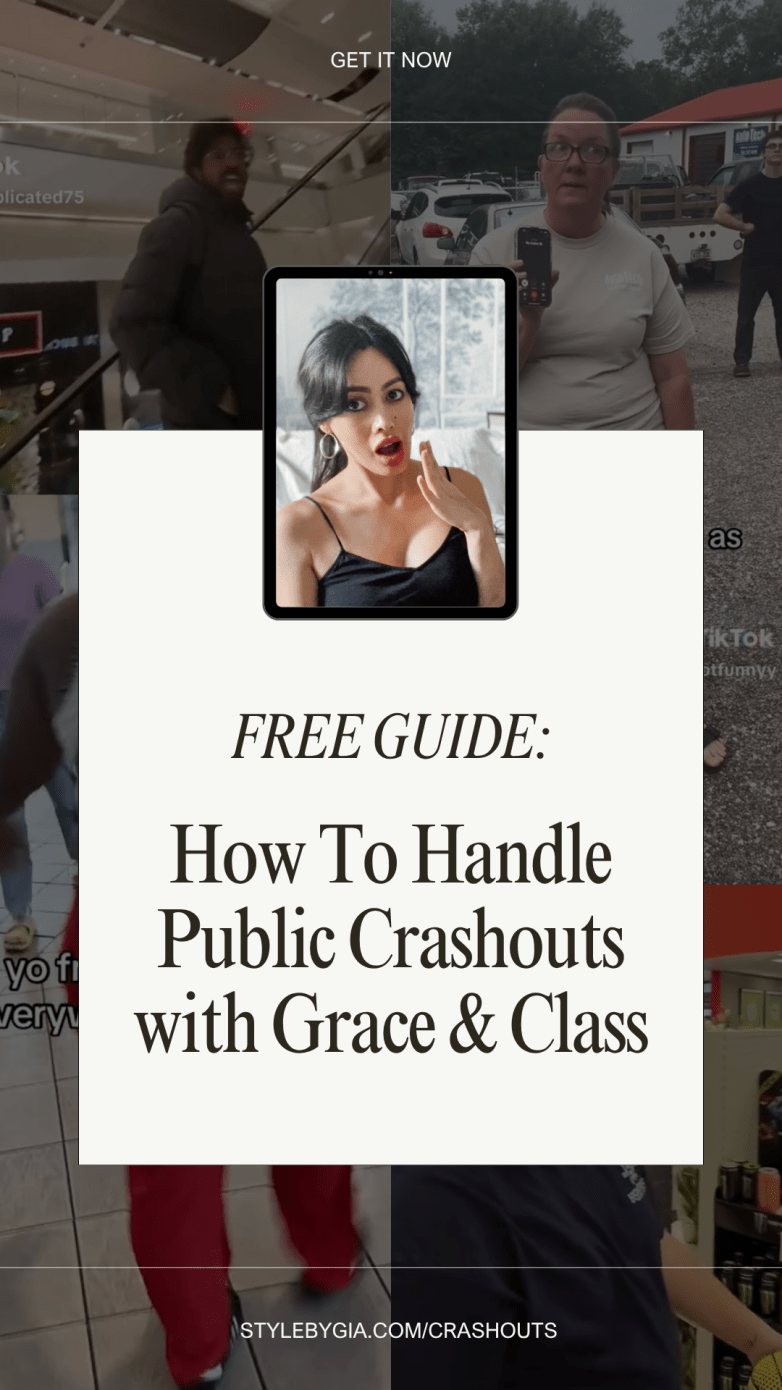
How to handle neighbours from hell: A guide to neighbourly etiquette
Let’s talk about why being the drama-free neighbour is actually the ultimate flex.
This post was sponsored by Dixon Etiquette. For my full etiquette guide, visit DixonEtiquette.com.
Right, can we talk about something for a second? I’ve been watching these neighbour drama videos on TikTok, and honestly, I’m fascinated and horrified in equal measure. Like, we’re out here spending our entire salaries on skincare routines and the perfect autumn wardrobe, but some of us are living next to people who think it’s normal to put cameras pointing into someone else’s back garden?
The maths isn’t mathing, darling.
Look, I get it. We’re all trying to live our best lives, and sometimes that means dealing with people who clearly missed the memo on basic human decency. But here’s what I’ve learnt from watching way too many of these videos: the way you handle neighbour drama says everything about who you are as a person. Most of us could use a little upgrade in this department.
Let’s Start With the Obvious
First things first – don’t touch other people’s items. I cannot believe I have to say this, but apparently some grown adults think moving someone else’s wheelie bins is perfectly normal behaviour. It’s giving secondary school energy, and not in the nostalgic way.
If something is bothering you about your neighbour’s setup, use your words. I know, revolutionary concept. But seriously, most people aren’t mind readers, and most issues can be sorted with one honest conversation. That bin situation? “Hey, I noticed the bins sometimes block my drive. Could we figure out a different spot for them?” Done. No grease on handles required.
And please, for the love of everything holy, stop commenting on people’s appearances. That whole “you look like this in your bikini” energy is so unnecessarily cruel. We’re supposed to be supporting each other, not tearing each other down over things people can’t change in ten seconds. If someone has spinach in their teeth, sure, quietly let them know. But body-shaming your neighbour? That’s not it.
The Real Tea on Communication
Here’s something I’ve noticed: people would rather create elaborate revenge plots than have one uncomfortable conversation. They will spend hours plotting petty responses when we could sort the whole thing with a five-minute chat over tea.
I had a neighbour once who was convinced I was being my cat was being too loud. Even though he was simply meowing at regular volume. Instead of knocking on my door, they banged on our door past midnight, called security on us, and animal services. Animal services told me I was breaking zero laws and it is possible my neighbour said what they had to do get them to appear.
The mad part? If they’d just told me from the beginning, we could have avoided months of unpredictable issues and back and forths with my sweetheart. But people act like direct communication is somehow ruder than letting resentment build up until everyone’s miserable.
When Things Get Actually Serious
Now, some situations go way beyond normal neighbour quirks. If someone’s nicking your parcels, that’s theft. If they’re putting cameras facing into your private space, that’s a violation. If they’re threatening you or making you feel unsafe, that’s when you document everything and involve the authorities.
But even then, your first move should be clear, calm communication. “Hey, I noticed my parcels have been going missing. Do you know anything about that?” Sometimes people genuinely don’t realise their behaviour is problematic. Sometimes they do, and they’re testing to see if you’ll say something.
The key is knowing the difference between someone who’s genuinely clueless and someone who’s deliberately being awful. Clueless people usually apologise and adjust their behaviour. Awful people double down and make it your fault somehow.
The Property Boundary Drama is Real
That whole property survey situation? I actually went through something similar last year, and let me tell you, it brings out the absolute worst in people. Everyone thinks they know where their property ends, and everyone is convinced they’re being reasonable.
Here’s my advice: get the survey done professionally, document everything, and stick to the facts. Don’t get emotional about it, even when the other person is being completely unreasonable. Property boundaries are what they are, regardless of anyone’s feelings about them. And if someone’s destroying survey markers, that’s destruction of property – report it.
The woman in my video handled it perfectly. She tried to be accommodating, offered to pay for everything herself, and only got the official survey when her neighbour refused to communicate like an adult. Sometimes being nice doesn’t work, and that’s when you have to protect yourself legally.
Living with Noise (And Babies, and Life)
May we please have some empathy for parents with newborns? I see these videos of people complaining about crying babies, and I think… it’s a baby. They’re not doing it to personally victimise you. New parents are usually running on three hours of sleep and doing their absolute best.
If you choose to live in a block of flats or terrace house complex, you’re choosing to share walls with other humans. Humans who have jobs and babies and teenagers learning instruments and dogs that sometimes bark. That’s the trade-off for not paying detached house prices.
Invest in good noise-cancelling headphones, a white noise machine, or thick curtains. These are way cheaper than therapy for the stress you’ll avoid.
The Petty Stuff That Actually Matters
Some neighbour behaviours look petty but actually aren’t. Like parking – if there’s plenty of street parking but someone consistently parks right in front of your house, that’s actually quite odd. Most people naturally park in front of their own place when possible. If someone’s going out of their way to park in front of yours, there might be something going on there.
But putting wheelie bins in someone’s parking spot? Throwing grass on their car? That’s actual vandalism, and it’s not cute. If you have a parking issue, talk about it. If talking doesn’t work, involve your landlord or residents’ association. Don’t escalate to property damage – that just makes you look unhinged.
The Ultimate Neighbour Glow-Up
Here is how you become the neighbour everyone wishes they had: be proactive about communication, mind your own business most of the time, and speak up clearly when something actually affects you.
Introduce yourself when you move in. Share your contact details. Give people a heads up about parties or building work. Keep your space looking decent – not perfect, but decent. Don’t let your problems become everyone else’s problems.
And when conflicts do come up – because they will – handle them like the intelligent, capable woman you are. Document when necessary, communicate clearly, and know when to involve authorities versus when to let things go.
The Real Investment
We spend so much money on things that make us feel good – the perfect foundation, those jeans that make our figure look incredible, the candles that make our space smell like an expensive spa. But you know what’s actually priceless? Coming home to a peaceful environment where you can truly relax.
Your neighbour relationships are an investment in your quality of life. They affect your stress levels, your sleep, your sense of safety, and honestly, your property values if you own. It’s worth putting some thought and effort into getting them right.
Plus, good neighbours often become genuine friendships. Some of my closest friends started as neighbours who I bonded with over shared annoyances with other neighbours, recommendations for local restaurants, or just regular corridor small talk that evolved into real connections.
The Bottom Line
Your home should be your sanctuary, not your source of stress. You work hard for your money, and you deserve to enjoy the space you’re paying for. That means surrounding yourself with people who respect boundaries, communicate like adults, and generally contribute to a peaceful living environment.
Sometimes that means having difficult conversations. Sometimes it means documenting behaviour and involving authorities. And sometimes, honestly, it means recognising when a situation isn’t salvageable and making your exit strategy.
But most of the time, it just means being the kind of neighbour you’d want to have – thoughtful, direct when necessary, and drama-free unless someone really forces your hand.
Because at the end of the day, we’re all just trying to live our lives, look good, and maybe catch up on our programmes in peace. The least we can do is make that easier for each other.
Now go forth and be the neighbour who makes everyone else’s property values go up, not down. Your future self will thank you, and so will everyone who has to live near you.
And if you’re currently in neighbour drama? Take a deep breath, document everything, and remember – this too shall pass. Just maybe invest in some good noise-cancelling headphones whilst you wait it out.
This post was sponsored by Dixon Etiquette. For my full etiquette guide, visit DixonEtiquette.com.
Discover more from Gia🖤
Subscribe to get the latest posts sent to your email.