The Curious Case of Breakup Content: When Personal Becomes Public in the Age of Get Ready With Me
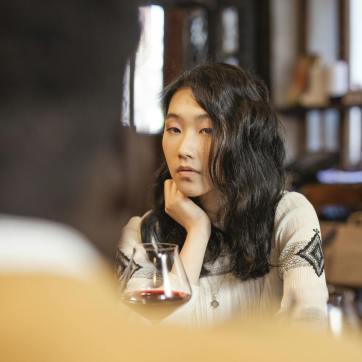
There exists, in the vast digital landscape of 2025, a peculiar phenomenon that would have scandalized the drawing rooms of any previous era: young women applying mascara whilst narrating the dissolution of their romantic entanglements to an audience of thousands. The “Get Ready With Me While I Break Up” trend, as it has come to be known, represents a fascinating intersection of beauty culture, emotional vulnerability, and the parasocial relationships that define our contemporary social fabric.
This post was sponsored by Dixon Etiquette.
The Theatre of Digital Intimacy
The modern social media user navigates a world where acting as the “main character” has become not merely acceptable but expected, particularly in the wake of a significant life event. The Get Ready With Me format has emerged as a TikTok staple, traditionally employed by makeup artists, beauty creators, and fashion influencers to showcase morning routines or event preparations. Yet what was once the exclusive domain of product demonstrations and style inspiration has metamorphosed into something far more intimate: a confessional booth for the Tiktok generation.
The appeal is not difficult to discern. In an era characterized by what experts describe as a “feedback loop where followers reward emotional oversharing with attention, and creators continue to disclose more to stay relevant”, vulnerability has become currency. The young woman applying foundation whilst recounting her former paramour’s transgressions is engaging in a form of performance that simultaneously seeks validation, community, and perhaps most significantly, control over her own narrative.
The Parasocial Paradox
Parasocial relationships represent one-sided emotional bonds individuals develop with media figures, where connection flows in a single direction. The phenomenon, whilst not novel—the term was coined in 1956 by social scientists Donald Horton and R. Richard Wohl—has found fertile ground in the algorithmic gardens of TikTok and YouTube.
What renders the breakup content particularly intriguing is how it inverts the traditional parasocial dynamic. Rather than the audience feeling they know the creator, the creator appears to need the audience to validate their experience. In a world increasingly mediated by screens, parasocial relationships fill the void left by declining community bonds and face-to-face interaction. The comment section becomes a digital Greek chorus, offering sympathy, advice, and the reassurance that one’s pain is witnessed and therefore legitimate.
Yet there exists an inherent danger in this arrangement. The result is a cycle that can harm both sides: influencers burn out, while followers confuse consumption with connection. The young woman sharing her heartbreak may find temporary solace in the flood of supportive comments, but she has also irrevocably placed her pain in the public domain, where it shall remain long after the wounds have healed.
The Question of Propriety in the Digital Age
One cannot help but ponder whether this constitutes progress or regression in our emotional development as a society. The transcript raises a question of considerable merit: is it beneficial to publicly process one’s romantic disappointments, or does such disclosure represent a failure of boundaries?
The argument in favor suggests that communal healing possesses genuine value. When one woman shares her story of discovering infidelity through a cache of photographs on a mobile device, countless others recognize their own experiences reflected back at them. There is comfort in knowing one is not alone in one’s suffering, and the digital space can foster what researchers describe as a “sense of belonging, especially for those who find real-world socializing challenging”.
However, the counterargument possesses equal weight. The permanence of digital content means that what feels cathartic in the moment of creation may become a source of regret or professional liability in the future. Moreover, there exists the uncomfortable truth that one’s former partner, friends, and family members may recognize themselves in these narratives, their private failings broadcast to strangers for entertainment and engagement metrics.
The Architecture of Emotional Performance
The aesthetic choices inherent to breakup content reveal much about our current cultural moment. The insistence upon maintaining immaculate makeup throughout the telling—waterproof formulations being essential—suggests an unwillingness to be truly vulnerable. The phrase “it’s giving,” used to describe the overall vibe or mood of something, might well be applied here: it’s giving performance rather than genuine emotional processing.
There is something distinctly choreographed about setting up one’s camera before allowing oneself to cry, as noted in the transcript. It transforms authentic emotion into content, grief into engagement. One wonders whether the young women participating in these trends are truly healing or simply trading one form of validation—that which they sought from their romantic partners—for another: the dopamine hit of notifications and views.
The Distinction Between Transparency and Oversharing
In considering this phenomenon, one must distinguish between healthy openness and what might be termed emotional exhibitionism. When boundaries are enforced through blocked comments or refusals to respond, followers can react with anger or emotional distress, and in extreme cases, parasocial fixation has led to harassment, stalking, and doxxing.
The young woman who shares that her boyfriend of six years proved unfaithful may find sympathy, but she has also invited thousands of strangers into the most intimate recesses of her emotional life. Will she regret this disclosure when she has moved forward? Will future romantic partners feel comfortable knowing that relationship difficulties may become fodder for content creation?
The Snapchat Conundrum and Red Flags
The transcript raises a point worthy of serious consideration: the presence of Snapchat on a grown man’s device as a potential harbinger of duplicity. The “delulu” trend—Gen Z slang for delusional—has emerged as mainstream, featuring users posting overly optimistic takes on unlikely scenarios. Yet in this instance, the concern appears less delusional than prudent. An application designed specifically to make communications disappear naturally raises questions about what one wishes to hide.
The broader point regarding transparency in relationships merits attention. There exists a considerable difference between privacy and secrecy. A partner entitled to privacy in their thoughts and personal correspondence is one thing; a partner who has configured their digital life to be deliberately opaque is quite another.
The Professional Implications
Not to be overlooked are the professional ramifications of such public disclosure. As noted in the transcript, certain professions demand discretion. The dentist who maintains a private social media presence, sharing only travel photographs on temporary stories, understands something fundamental about professional boundaries that the bottle-popping dentist does not.
In an era where prospective employers routinely investigate candidates’ digital footprints, one’s breakup content may well become part of one’s professional narrative. Is it worth risking one’s career trajectory for a moment of viral sympathy?
The Wisdom of Restraint
There exists considerable wisdom in the notion that what one wishes to preserve, one ought not to post. The concept carries echoes of ancient superstition—speak not of one’s blessings lest they be taken away—but it also reflects a more pragmatic understanding of human nature and digital permanence.
The young woman who maintains a degree of mystery about her romantic life, who processes her heartbreak with close friends rather than subscribers, may find herself better positioned for future happiness. She has not commodified her pain, has not invited the judgment of strangers, and has maintained the possibility of reconciliation without public embarrassment.
The Spectacle of Suffering
One cannot escape the uncomfortable reality that breakup content succeeds precisely because suffering makes for compelling viewing. TikTok trends are changing rapidly, and knowing what’s trending is key to growing reach and boosting engagement. In this calculus, emotional authenticity becomes just another trend to ride, another algorithm to master.
The young woman crying into her camera whilst claiming to be “proud of herself” for ending an unhealthy relationship has perhaps missed the point entirely. True strength lies not in performing one’s recovery for an audience but in doing the difficult, private work of actually healing.
A Return to Discretion
In the final analysis, one finds oneself advocating for a return to discretion—not from a place of judgment but from genuine concern for the emotional wellbeing of these young women. Parasocial breakups, when influencers stop posting or relationships end, can be surprisingly painful for followers even though the relationship was one-sided. But what of the pain experienced by the creator herself, who has made her heartbreak public property?
The advice dispensed in the transcript possesses merit: block the unfaithful paramour, retrieve one’s belongings through an intermediary, and move forward with dignity intact. Most crucially, resist the urge to document every stage of grief for public consumption.
The Verdict
So is the “Get Ready With Me While I Break Up” trend ultimately beneficial or harmful? The answer, like most matters of human behavior, resides in nuance. For some, sharing their stories may provide genuine catharsis and community. For others, it represents a dangerous conflation of performance and processing, of audience and authenticity.
What remains clear is this: the next generation would do well to remember that not everything need be content, not every emotion requires an audience, and sometimes the most powerful statement one can make is silence. In a world that demands constant sharing, constant vulnerability, constant performance, perhaps the truly radical act is to keep something precious for oneself.
The young woman applying lipstick whilst narrating her heartbreak may garner thousands of views and comments of support. But will she look back on this moment with pride or with the uncomfortable recognition that she traded her privacy and dignity for engagement metrics? Only time—and perhaps a future viral video about regretting past content—will tell.
In the meantime, one can only hope that somewhere, somehow, a young woman experiencing heartbreak will choose to close her camera, call a trusted friend, and process her pain in blessed privacy. For in that choice lies not a rejection of community but rather a commitment to authentic healing—the kind that happens not in front of an audience but in the quiet spaces of one’s own heart.
This post was sponsored by Dixon Etiquette. For a complete guide on all things etiquette, visit Dixon Etiquette.
For those navigating the treacherous waters of modern romance and digital culture, perhaps the wisest counsel is this: protect what you cherish, share with discernment, and remember that your life’s most profound moments need not be content to have value. Your story is yours alone—and sometimes, the most powerful choice is to keep it that way.
Discover more from Gia🖤
Subscribe to get the latest posts sent to your email.