Island Hop with Me in The Philippines: Remnants of a Colony, Secret Beaches, and Ancestral Food
Here are some fascinating things I learnt about my travels to the Philippines. Originally, this trip was all about visiting family and discovering secret beaches. However, it ended up being more about trying to navigate the boom of tourists, a potentially new regime, and re-exploring the food.
I could feel the remnants of every past regime.
Growing up, it was beaten into my brain that the Spanish ruled the Philippines for 333 years. My mother always said 400 years and every Filipino adult I knew echoed the abiding sentiment. Perhaps it felt like 400 years for them.
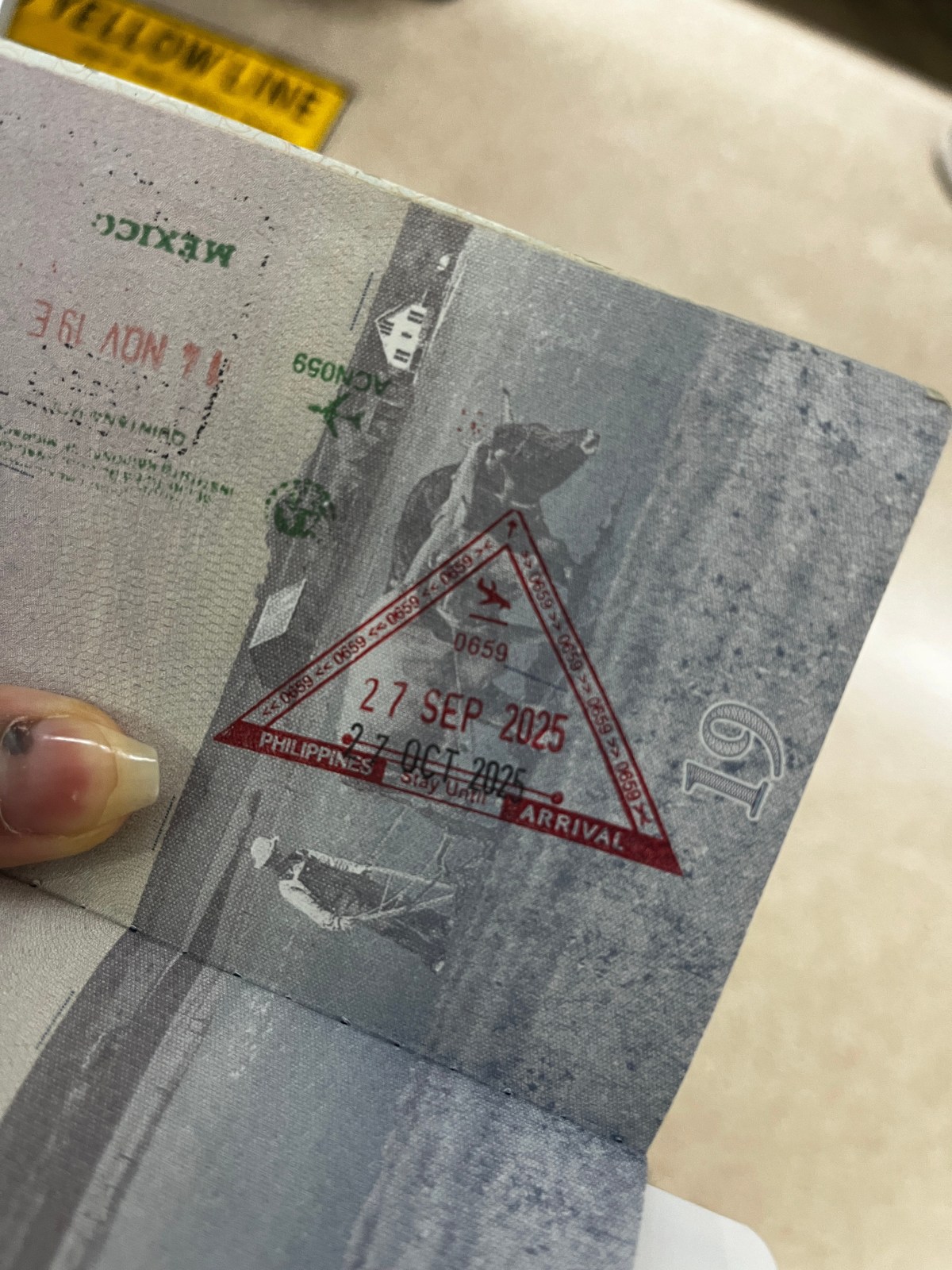
That is why it was called the Philippines – because of King Philip II of Spain. After the end of their unwanted regime, or more of a transfer of power to the United States after the Spanish-American War, I feel like it should have been called The McKinley Islands.
This was when I realised I am turning into an auntie.
There was always a weird preference toward American culture Filipinos had and have. I remember stories of loved ones receiving Ray Ban aviators from military personnel near their base in their youth. Not to mention their infectious undercurrents of a prevailing American Dream.
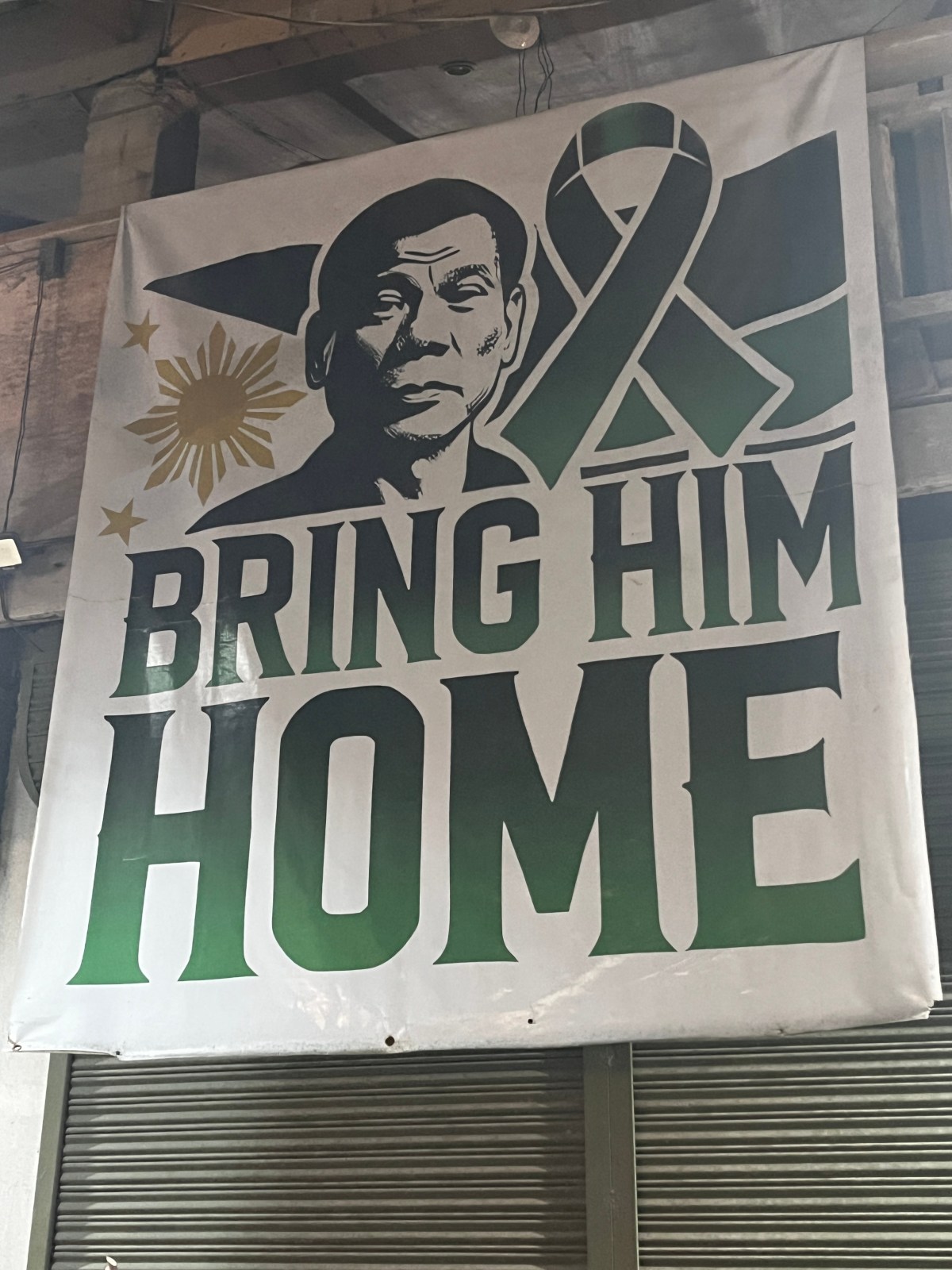
It has not even been one lifetime of freedom for these tribes of islanders. 79 years since being on their own and their own people have failed them with presidents who could easily be recognised as dictators. An endless line of corrupt disappointments that almost created an entire generation of illiterates.
Living in Los Angeles has shown me how there is an incessant gripe with being oppressed by whole milk instead of oatmilk in their lattes. I have never seen true oppression until I visited the Philippines and witnessed the pain individuals face on a daily basis yet smile through it all. Despite never fully feeling like independence was gained, Filipinos will make you feel like you are in paradise and everything will be smooth sailing.
Though mixed, I am proud to be a drop in the ocean of these people. At one point, the Philippines was the number one nation to have the highest number of female graduates per capita in the world. In North America, we go back and forth with Indians – our fellow Asians – to be number one when it comes to the highest earnings over White Americans.
Usually, I never keep tabs on things like this in race, but these were constantly pointed out to me all these years as I was seen as an outsider who needed their eyes opened. People treated me like a privileged idiot as if I was not aware of such statistics. I have always been fastidiously acquainted with this information.
Even if I am seen as a privileged idiot, I do not mind. I never use the words race, privileged, or oppression, because I do my best to work with what I have. My reality is so different from a third world incumbent’s perspective. I worry about slow wi-fi, lack of protected parking, and interest rates on home loans. When I was on one of the 7,641 islands, I worried about consistent hot water, electricity, and whether I was going to be gunned down by henchmen of electoral opponents for stating an opinion too loud. With an entire family strapped to the back of an old Honda CB200 with rain in the flip flops of children under three years old in 97 degree heat, it is just another day in the Philippines.
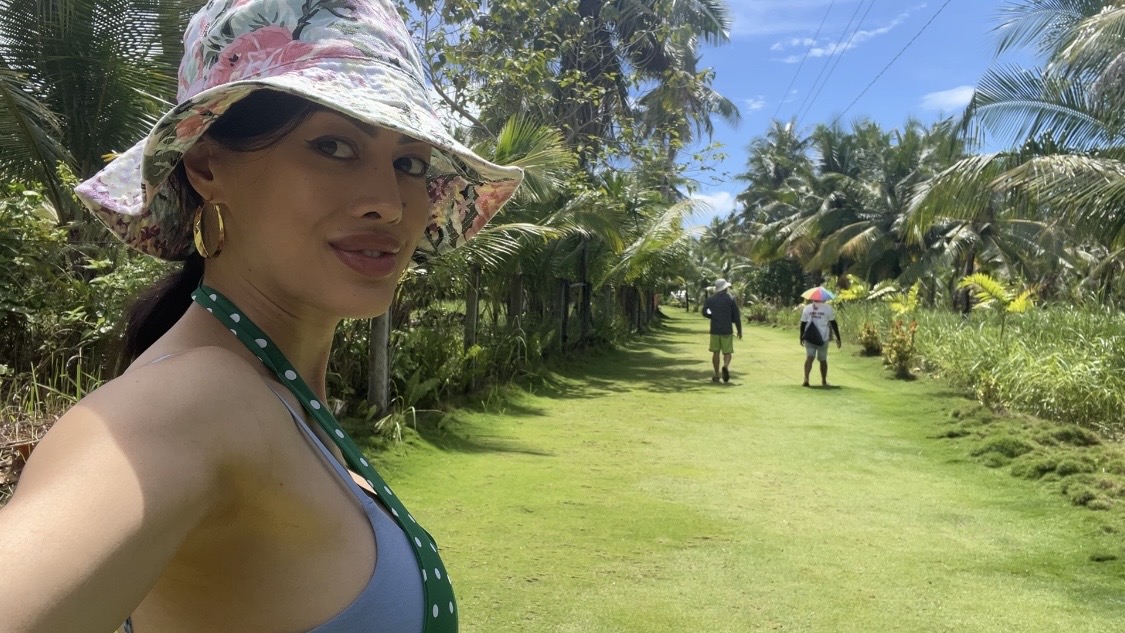
The people are beautiful because we always smile.
I have been told that I smile too much. Even my own father said I was too expressive and he did not want me to have lines on my forehead. Til this day, I look for smile lines in others, because those are the creases you wish for. Not the stress ones. It is good to know the difference.

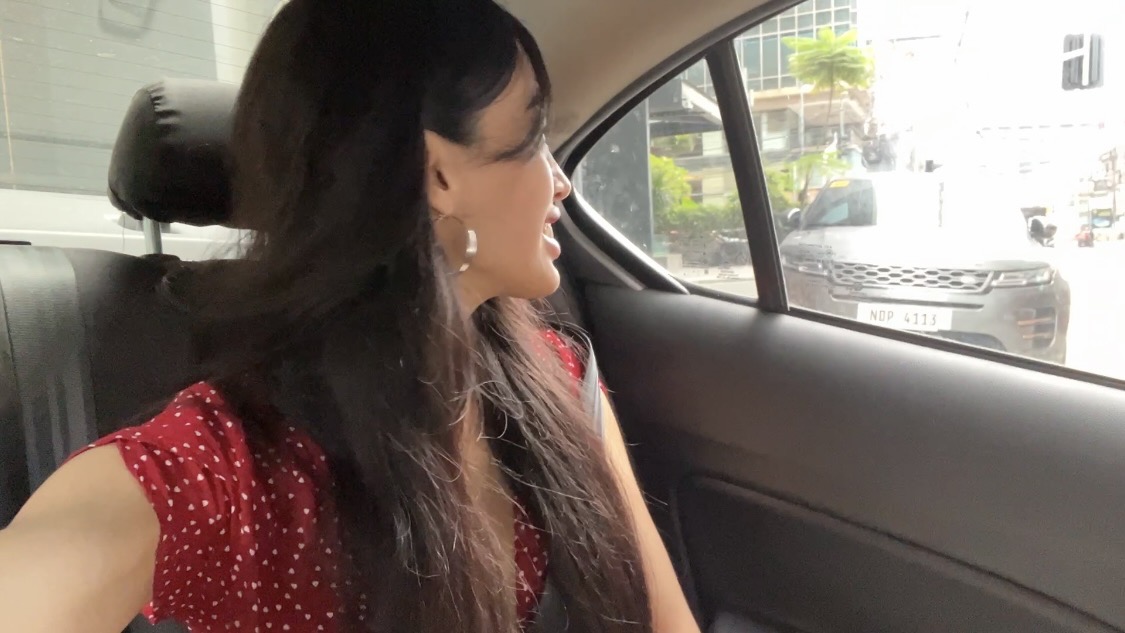
When I complimented the walking population during my visit, a taxi driver told me how Filipinos are beautiful because we smile. It is a radiating positive energy that everyone can feel before close communication. It is funny how such a small detail can disarm absolutely everyone no matter where you are from.

People did not think I was Filipino.
I was surprised when people were surprised that I could speak Tagalog and understand it fluently. The only dialect I was faced with that gave me a challenge were the Visaya speakers. If you put any other dialect in front of me, I would have suffered as well. Though when I listened closely and carefully, they made more sense and I could sparse what I needed to know. They knew something was off.
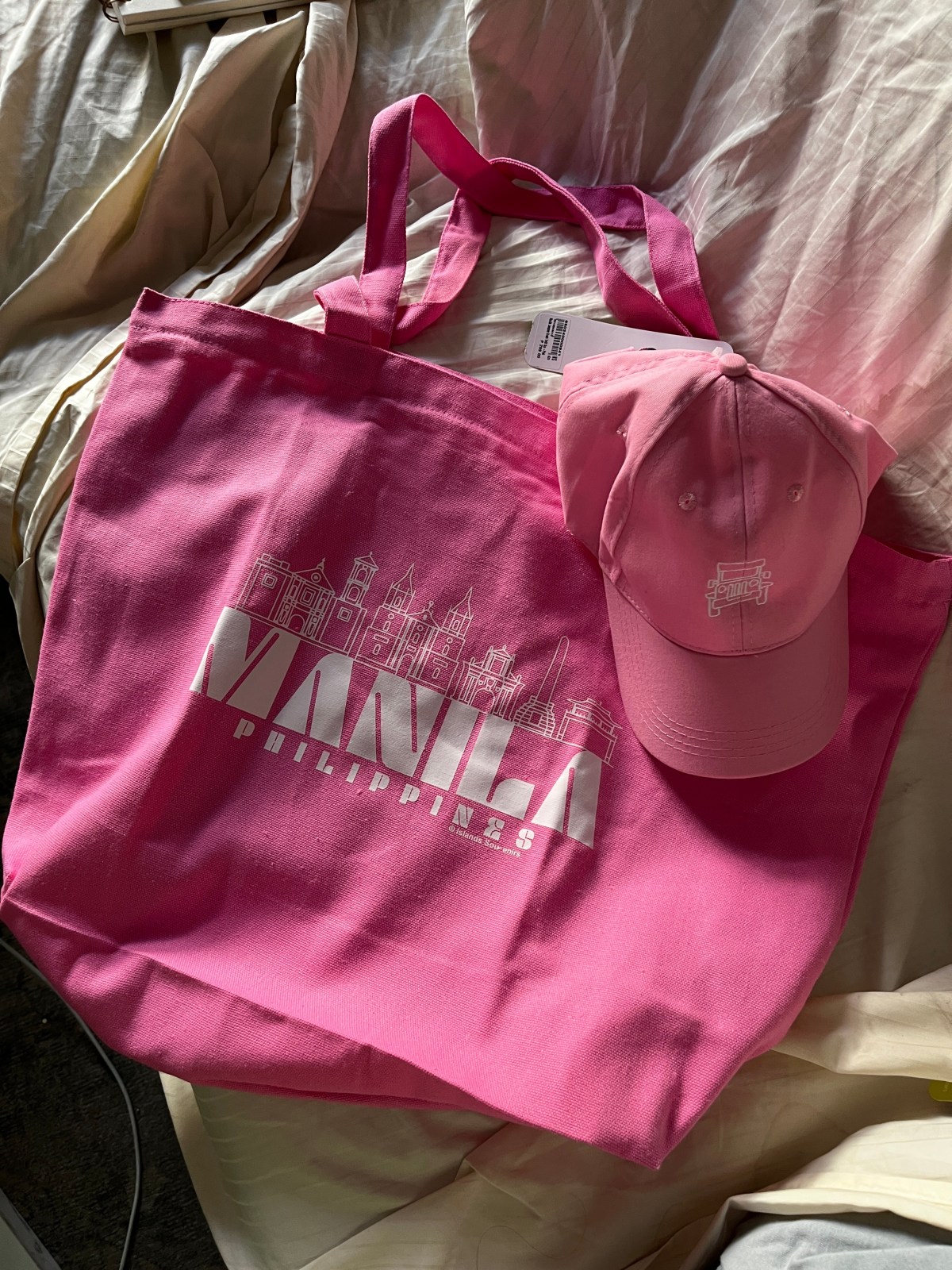
Copious remarks were shared repeatedly.
You are too white.
You are mestiza.
You look mestiza.
Your grammar is funny. (I wholeheartedly agree.)
Are you sure you’re Filipino? Someone asked jokingly.

The weather was exactly as I expected.
The Philippines is famous for its humidity. Typhoon season came and went to promulgate the agendas of the current political administration, but I did not feel a thing except profuse sweat. It was in the high 80s along with early morning showers that went away as soon as breakfast was done.
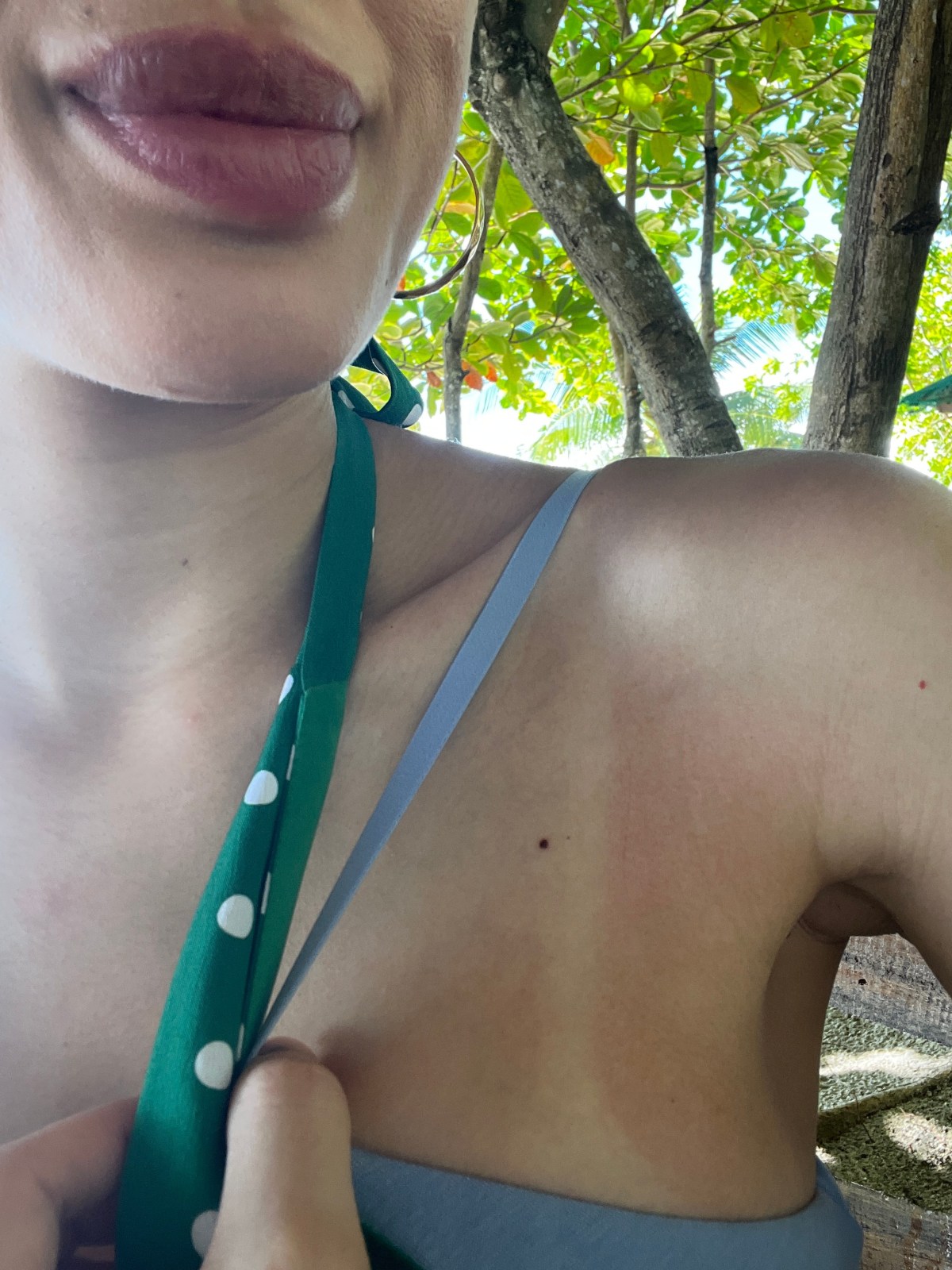
October in the Philippines is known for being tumultuously stormy. I packed a brolly for the buckets that drenched you if you stood outside for more than two seconds and came back inside with your clothes sticking to you. Be prepared with an umbrella in your bag in case of a potential torrential downpour or as a parasol for the overheated days. I did not use it, because my family told me not to bring it. I have zero idea why I listen to anyone hahaha. However, I am glad I did not listen to anyone when it came to sunscreen and re-applied throughout the day on my own volition.

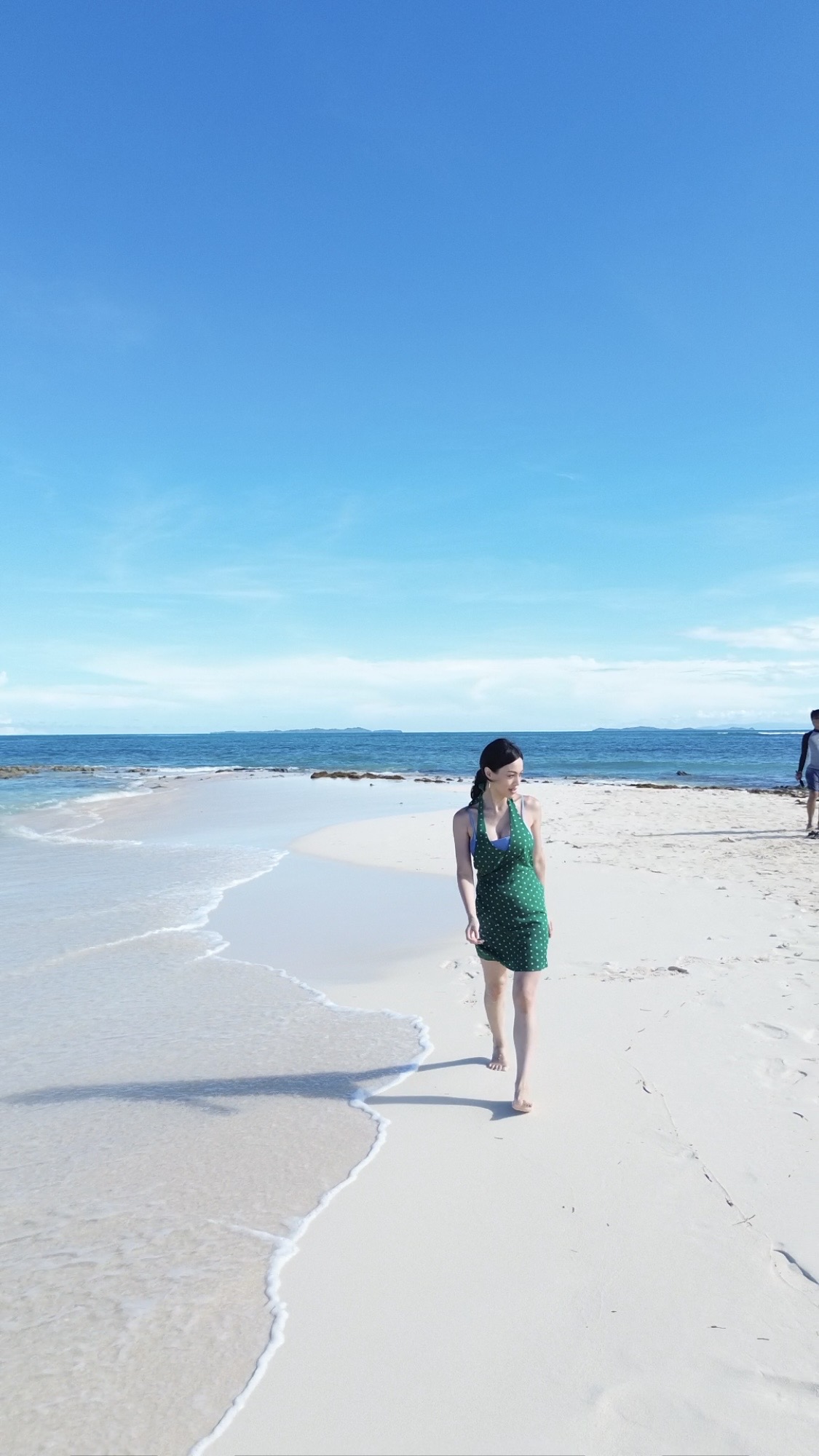
The lore behind this island was so interesting. There was a foreigner who bought this place. It was not any foreigner. He was a treasure hunter! Searching for the riches the Japanese took when they colonised all over parts of Asia, he knew they hid their valuables on tiny islands across the Pacific. Apparently, he found the treasure he was looking for and left, selling this island to a different foreigner. The details were not specific of where he came from or who he was, but the mystery will always remain and this island was also a bit dangerous to navigate on foot because of so many boulders on the shore.
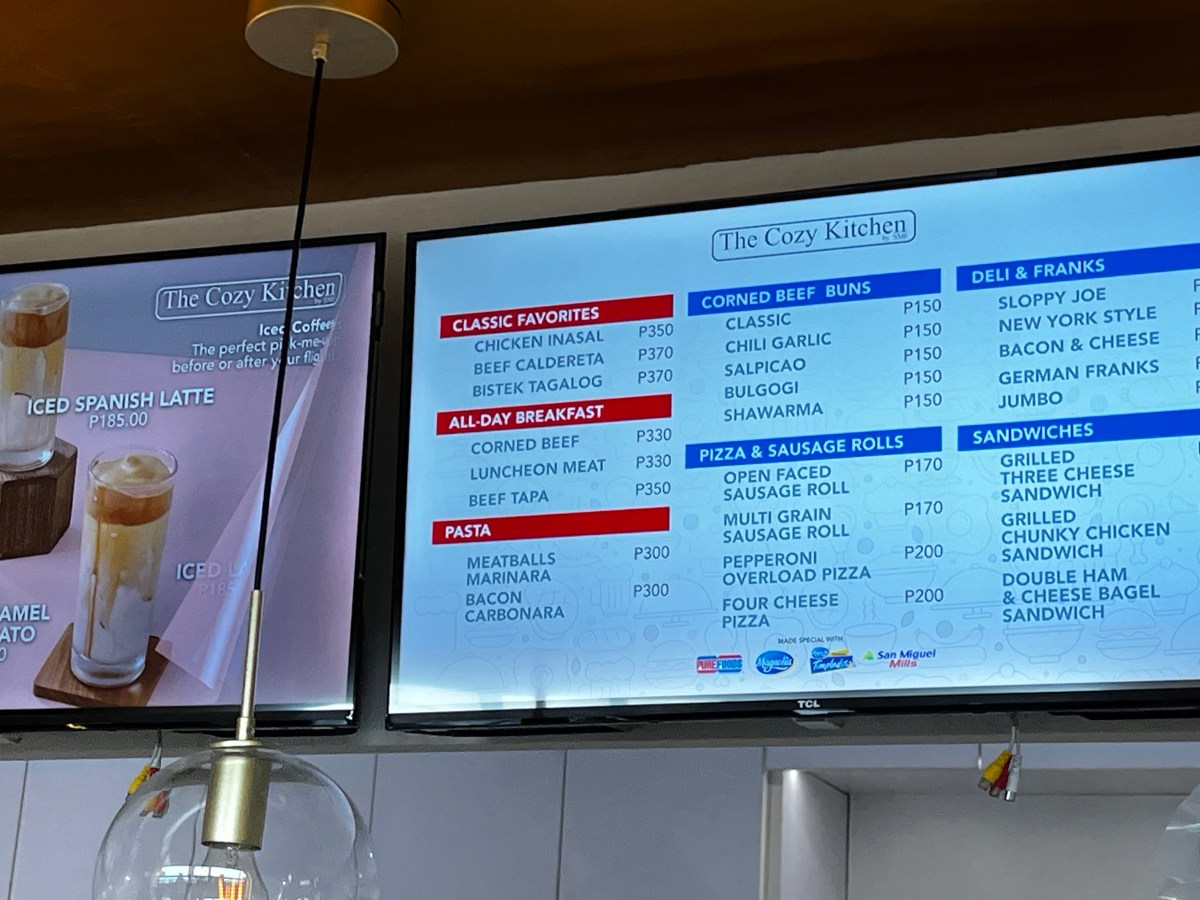
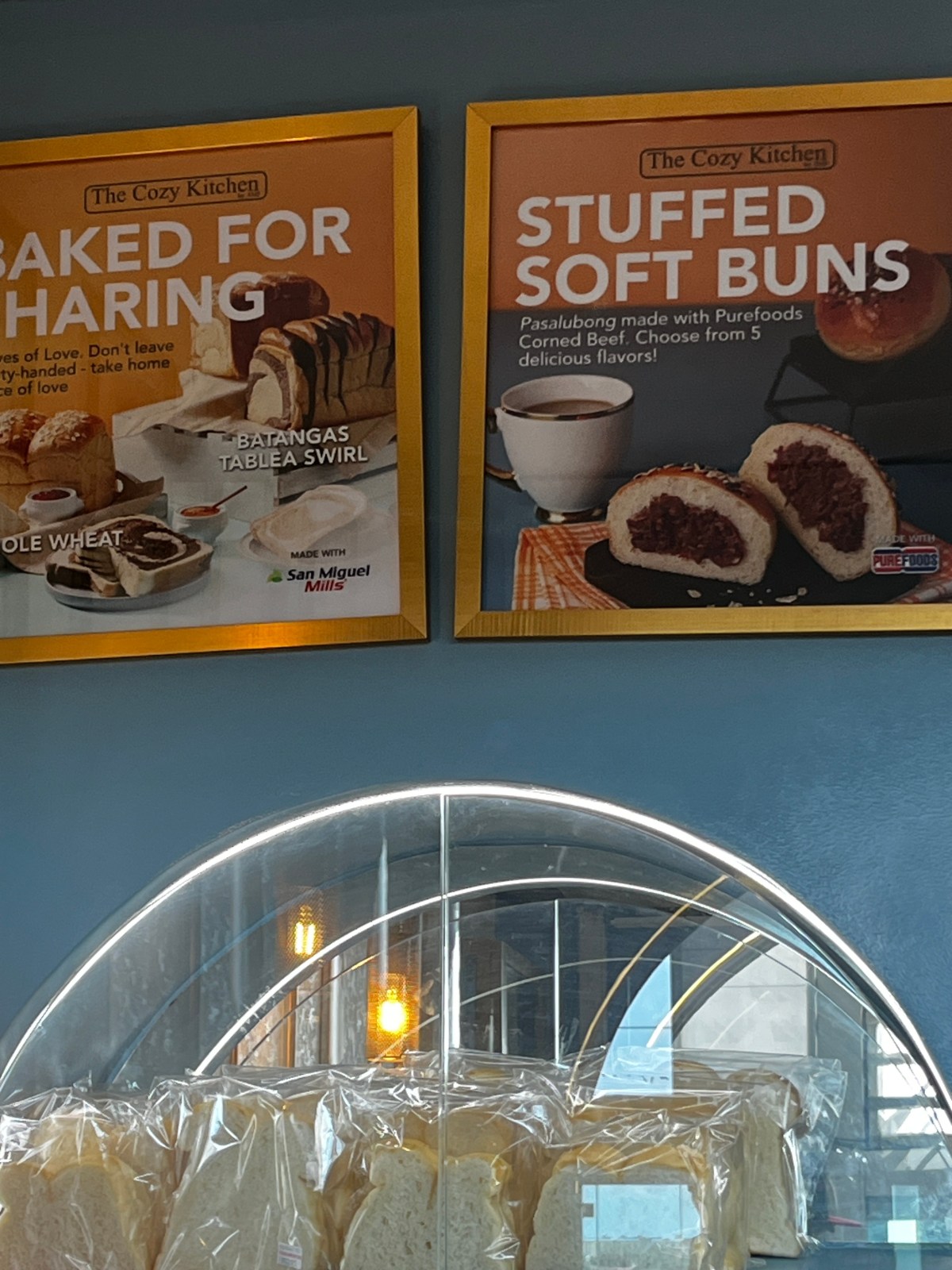
Filipinos mastered the art of friendly professionalism.
Growing up, I was always embarrassed when my family members went against the lines on ruled paper by talking to people as humans instead of following strict orders on a form. They were always kind to the individual presenting their formal documents or services whether they were at a restaurant or the DMV.

I saw the root of their kindness and extension of their culture’s grasp on how to be professional whilst maintaining a genuine friendly exchange. When I was staying at the I’M Hotel – a five star institution in the financial district of Makati – I could make a fool of myself with some embarrassing gaffe at the restaurant and everyone was more than good-natured about helping me.

They also laughed with me when I made a joke and smiled when I pointed my camera at them. I could relax in a state of comfort knowing people did not take themselves too seriously. People speak freely and friendly in the Philippines calling you beautiful as one would talking about the weather. It is not a big deal and people are not necessarily flirting with you. Women and men of all ages take note of what is in front of them.
In California, people get so nervous about losing their job or worrying about slapsuits and litigation that they hold back from expressing any pleasure or displeasure. The pent up stress makes for unnecessarily awkward interactions and they lose their humanity with all these made-up restrictions. Other times, it might show as people unhappy in their position and they take it out on their customers making everyone uncomfortable. Everyone thinks they are meant to be bigger for their role instead of going with the flow, enjoying what life has to offer in the moment.
Siargao has blown up as a tourist island destination.
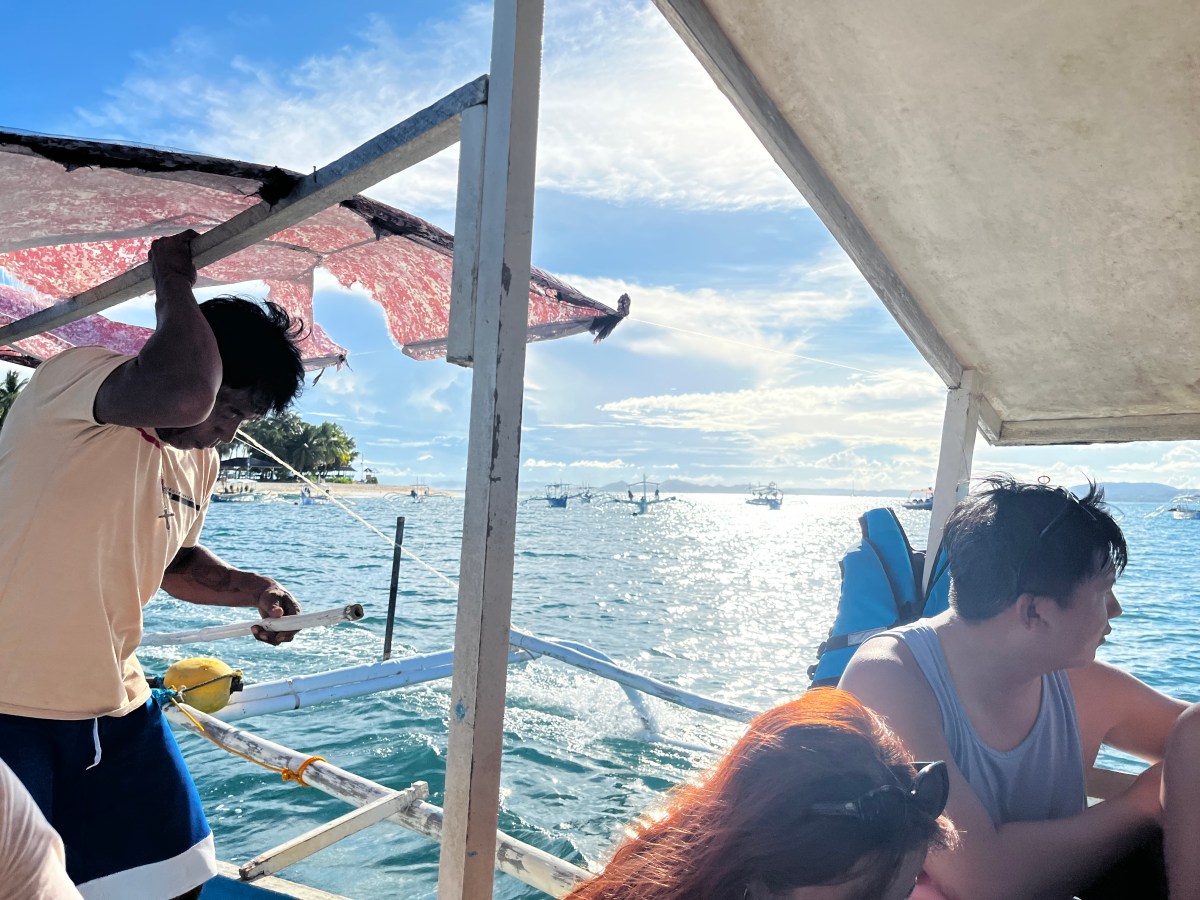
My loved ones claimed their spot on Siargao before the Northern islands exploded with digital nomads and international surfers. Known as the surfing capital of the Philippines, I saw this same exact situation occur in parts of Africa, Europe, and even in California. What was once a cosy little secret became a boom of enterprise and enjoyment because of social media. I noticed so many videos on the blue watered coastline.
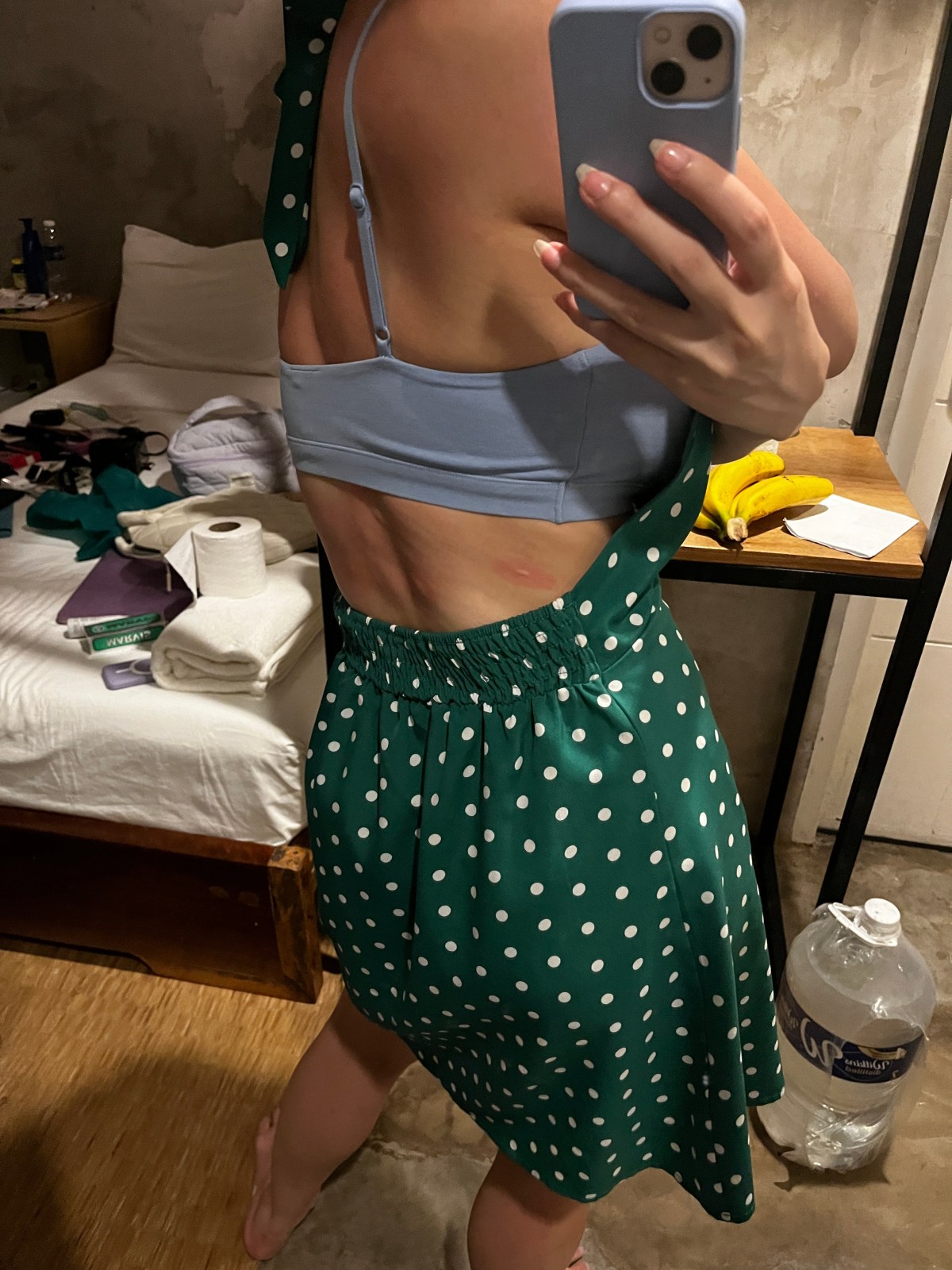
Both situations of a calmer site or island paradise for foreigners would be fabulous for me, as it still was not too overcrowded. It did not bother me personally, but I saw as my family felt like hipsters of an originally secluded isle. I heard Hebrew, Romanian, Arabic, and Swedish spoken as the languages passed me by on foot. There used to be no pop-up shops or this many souvenir stops for one strip. But the bug bites and BBQ were well worth the visit.

Nobody believed me when I said Filipinos
- Wear flip flops in the rain.
- Eat freshly cooked meat, and rice for breakfast.
- Wear collared shirts buttoned up in the 87℉ degree humidity.
- Speak casually without needing to say Please or May I on a regular basis but still are polite
- Moms will read you up and down, because they’re still Asian tiger mums at the end of the day
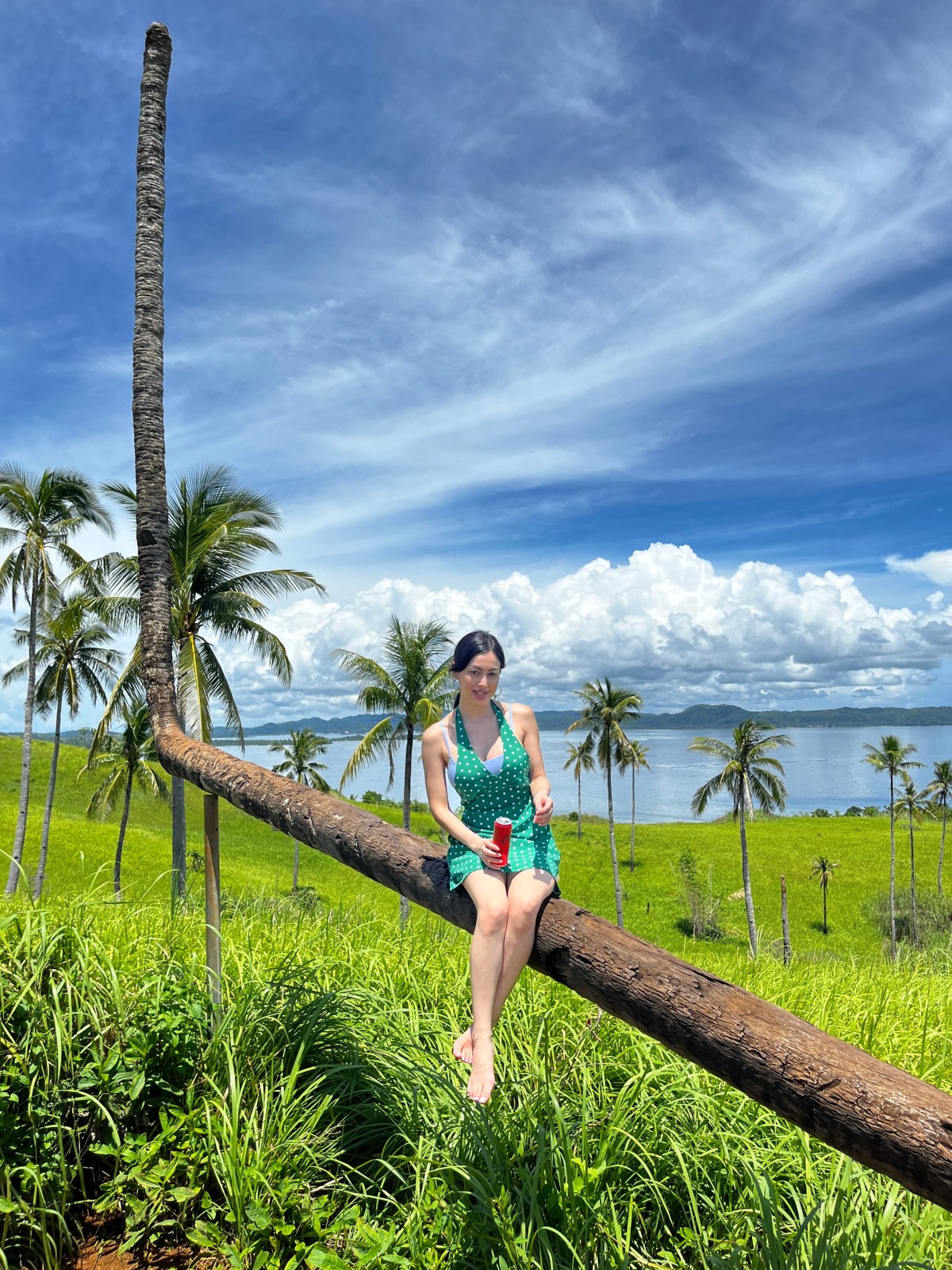
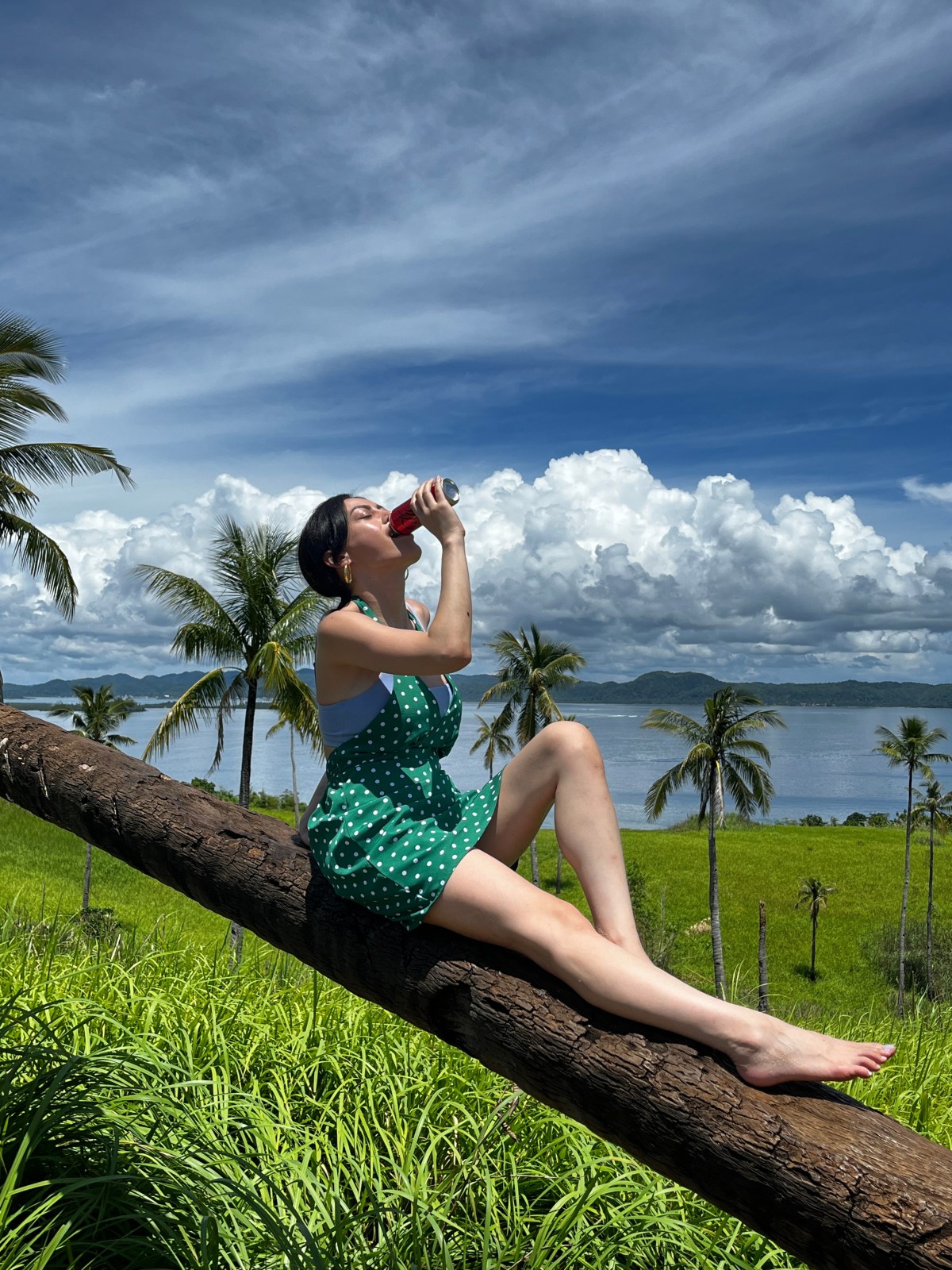
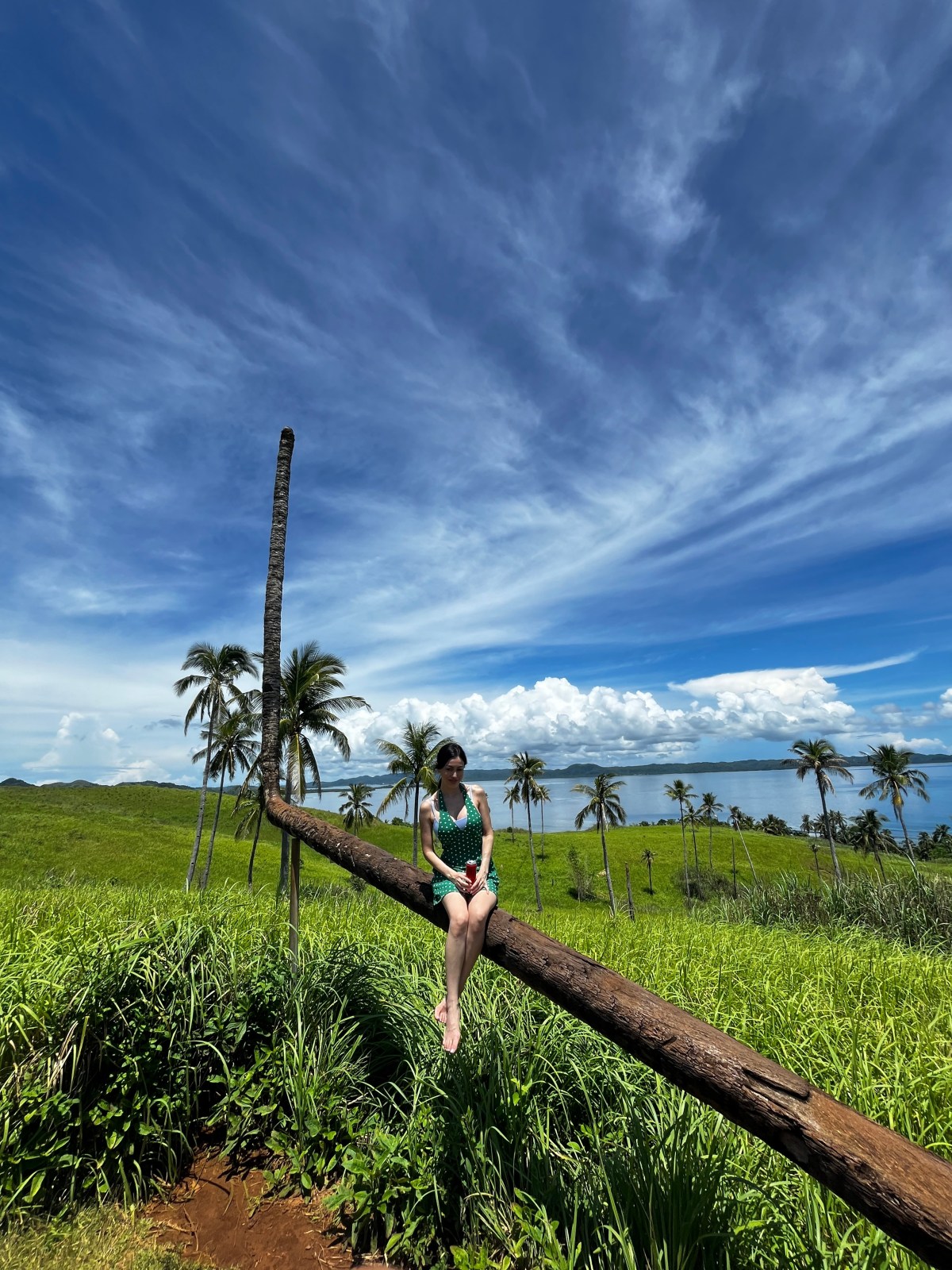
This tree was scarier to climb than it looks.
I missed Filipino food so much.
Breakfast, lunch and dinner were occasions I absolutely looked forward to and did not gain a single pound. In my Philippines Airlines seat, the plane was not full, so I was essentially pummeled with plates of sisig and rice. Everything was perfect. I could not have asked for more on this trip.
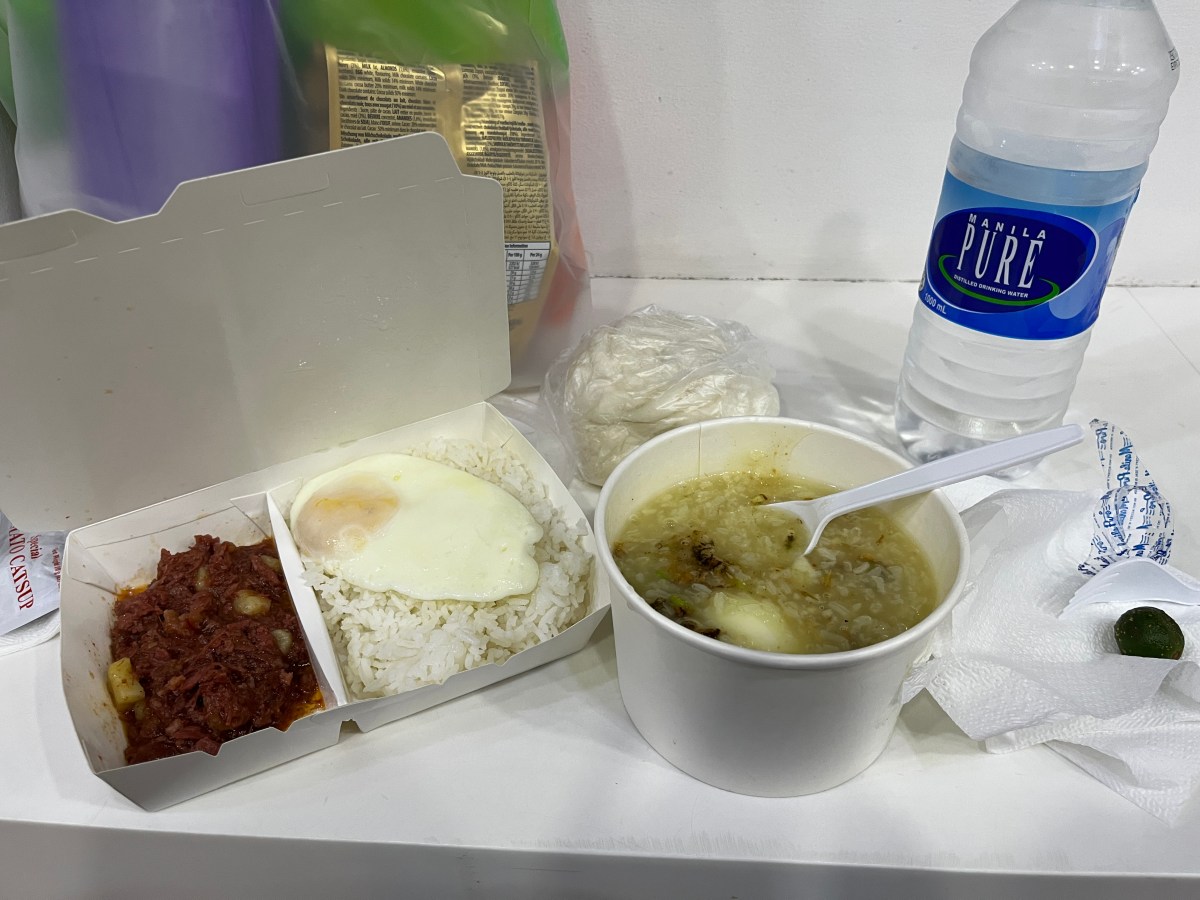
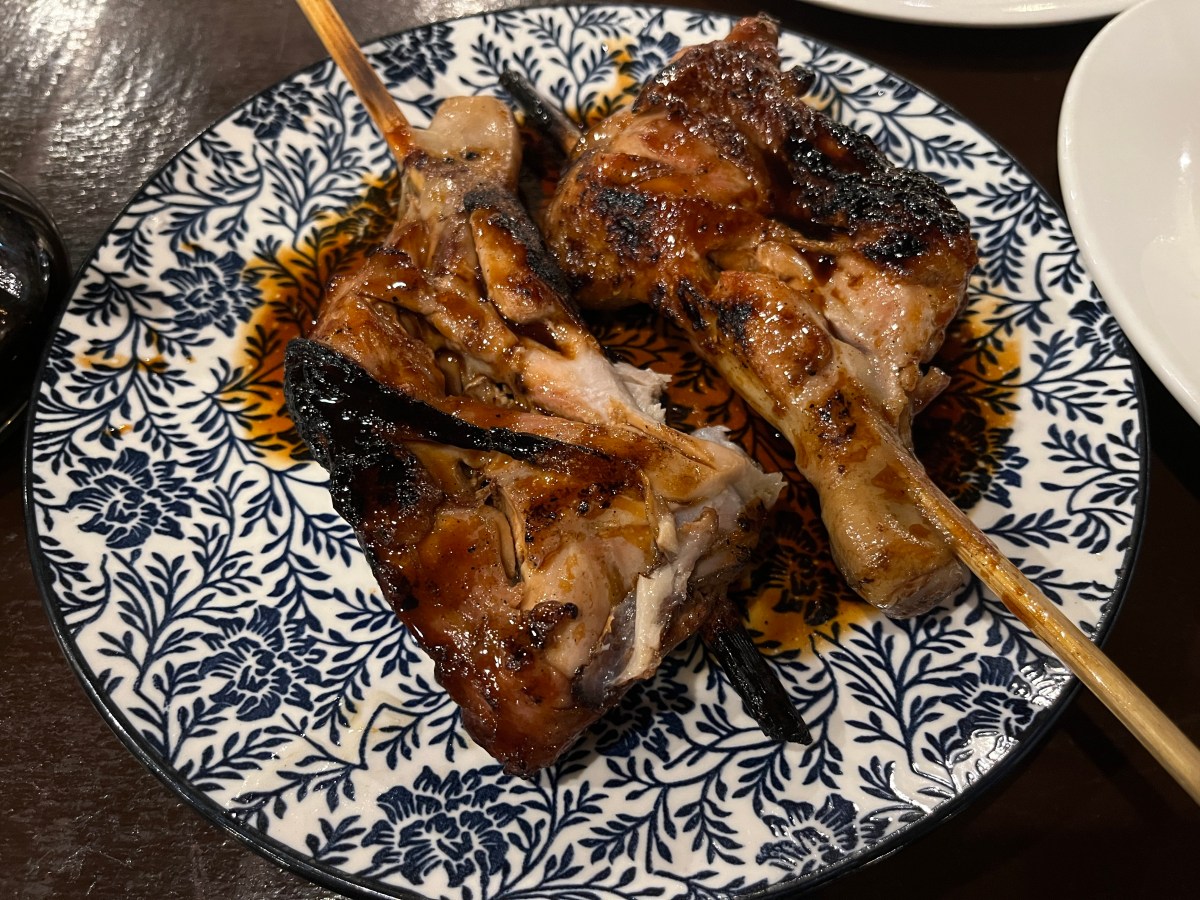
Every breakfast was meat, fish, and rice. I remember my white friends being surprised that we had longonisa, eggs, and rice, sometimes even freshly marinated steak for breakfast. I looked at their sad piece of toast thinking they were being neglected by their parents.
My dad’s friends had animal crackers as a snack packed by their wife as if he was one of their children. He would warm up his food for lunch and everyone always drooled at the fragrance once the microwave beeped.
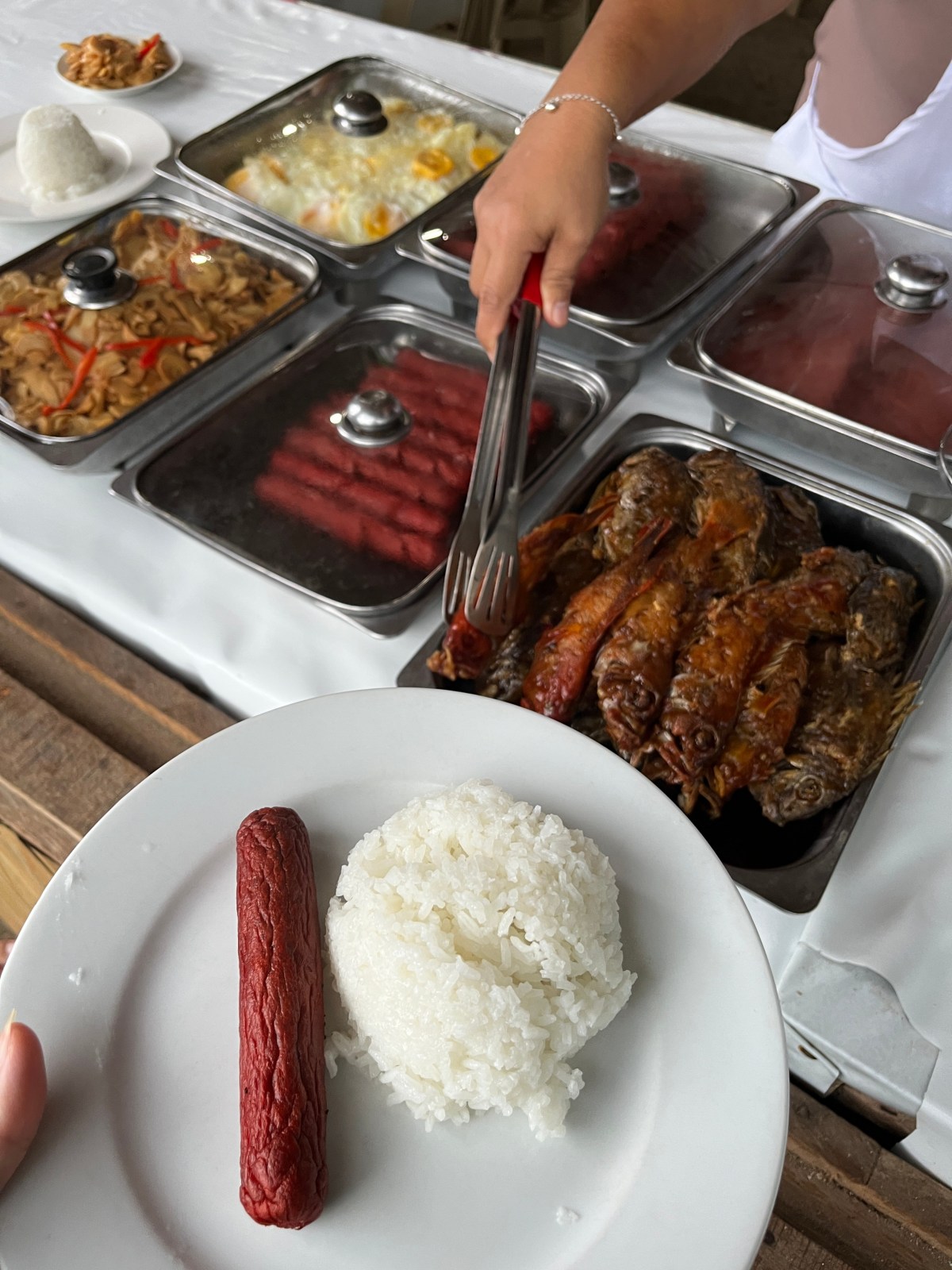
The fun part of being in the Philippines is all they serve is Filipino food. There were so many international spots around the Metro Maynila area where I was staying, but I could get a better version of it in Los Angeles, because the immigrants of that culture ran the place. It was sad to even see those on the map, because everywhere I went I took advantage of being there as if my mum was cooking.

Where did they catch this fish we had grilled and ate for breakfast?
Right there – points at the coastline a few feet away.
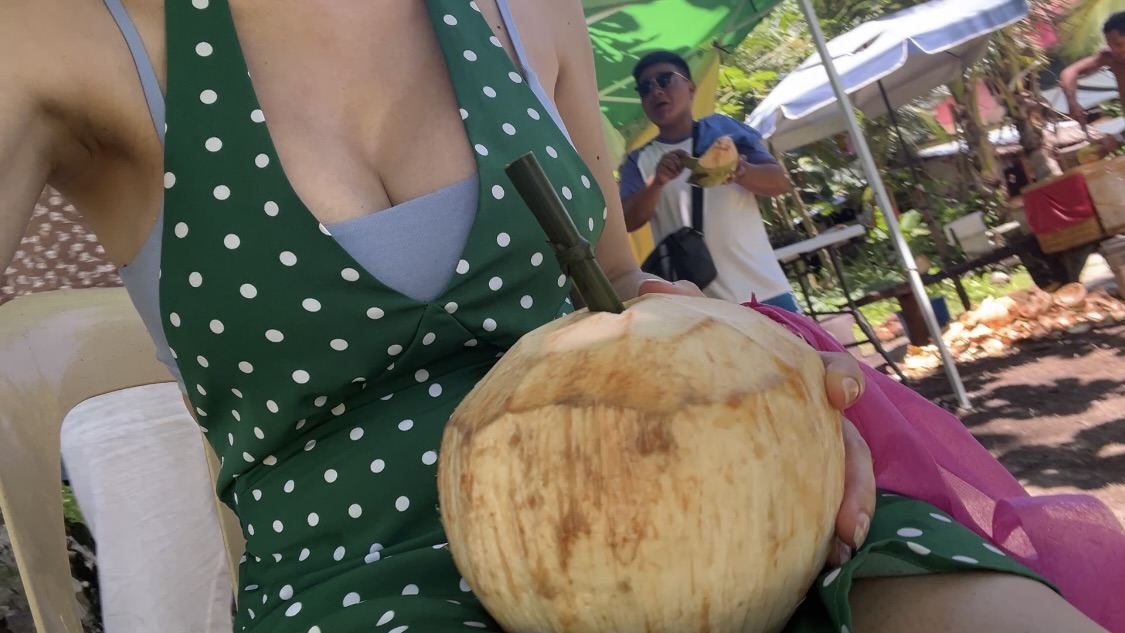
You can literally catch a fish and ask someone at a shop to cook it for you. Pay them a few pesos, of course. But I could not pack a grill in my suitcase, so this worked out perfectly!
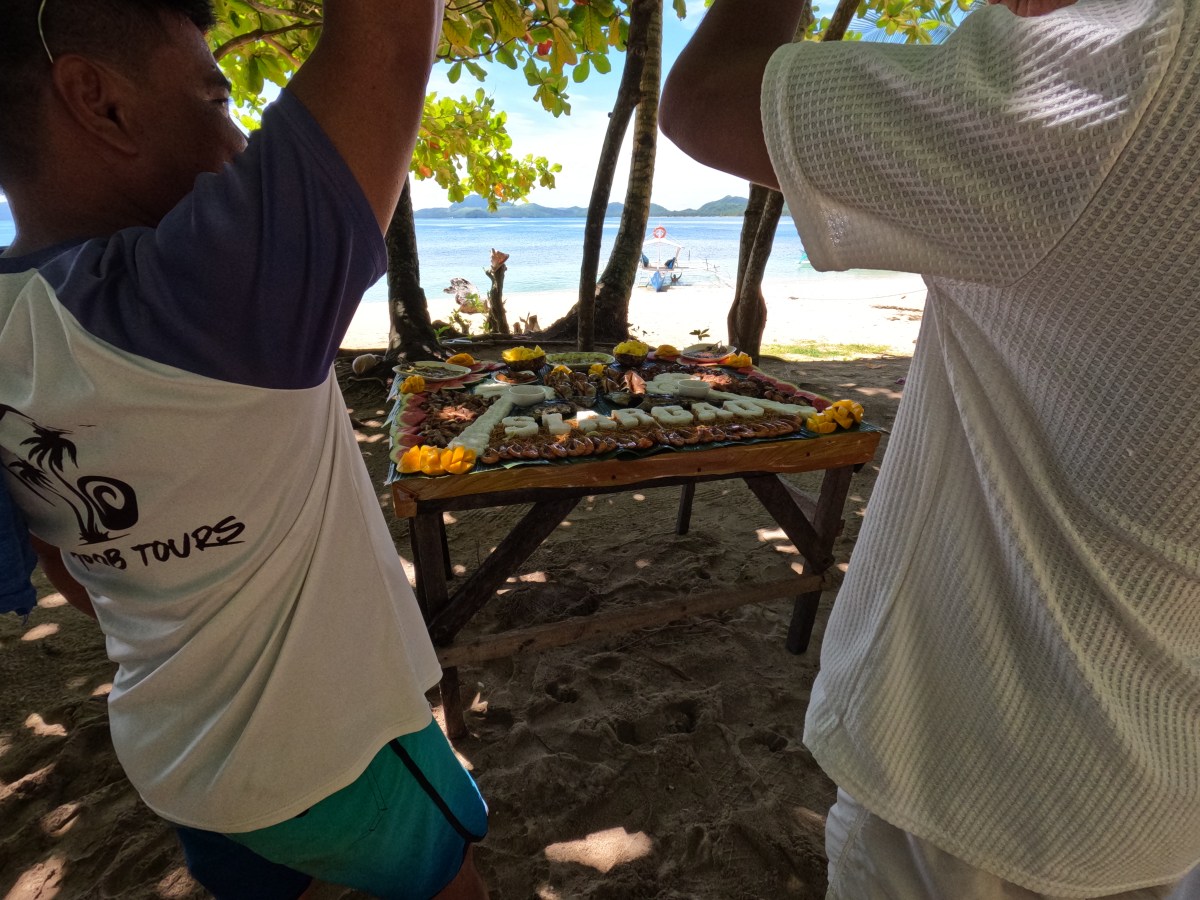
Filipino food became such a big deal for me that I looked up countless recipes at home on everyday things I loved but could never come across in America. The dried fish, the grilled fish, the grilled everything, the Spanish sausages. Forget chicken adobo. I was here for the arroz caldo, corned beef hash with egg, siopao, and pancit bato – a noodle dish I never tried before, because apparently each region has their own version. I thought I had all the pancits! I felt like a little kid again at every breakfast but replaced the milk with distilled water.
Near the end of my flight home, a statuesque American gentleman was helping all the lolas (grandmas) with their bags, reaching for their carry-on suitcases in the overhead bins as they were too tiny to reach at four feet something tall. One of the lolas asked
Now we have Gia Garcia.
How can I thank you?
With pancit.
What’s your address?
He began to name off a list of Filipino foods and the entire cabin laughed.
Everything is so easy to make, even if I handmade the noodles from scratch. The only contention I have is finding the right fish and sauces to make it authentic versus my own twist on using what I had. I want the original dish, not the modern take on what these new restaurants around me in LA are doing. I want the strong smell when you walk in and the uncle in the corner worrying about his cholesterol.
I came home to make lugaw first thing and my boyfriend ate it with a fork. I was so confused at why he did not realise it was like a stew. Am I doing something wrong? This learning curve will take a bit.

I had part of my heritage re-told from a new vantage point.
The Philippines will always be a paradox I carry with me – a place where oppression and joy coexist, where poverty and pride walk hand in hand, where my foreignness and belonging blur into something I cannot quite name.

I left with my suitcase heavier from the pasalubong I squeezed in and my heart fuller from the laughter I shared with strangers who somehow knew me better than I knew myself. My sweetheart still does not understand why I need three different vinegars in the pantry or why I get emotional over a proper bowl of congee on a rainy day. Either way, I am bringing the Philippines home with me in every way I can.
Is this my last trip?
I do not know when I will return, but next time I want to explore more of the city with loved ones new and old. The islands have a way of pulling you back even when you think you have moved on, even when your life is oceans away.
My family will still be there, Birkenstocks on their feet in the pouring rain, smiling through whatever storm comes next. I will be here in Los Angeles, probably complaining about traffic again, but with a little more priority on what actually matters.
The lines on my face will be from smiling, just like the taxi driver said. That is the only thing I want people to remember about me – that I smiled like a Filipino, because despite everything, we always do.
Discover more from Gia🖤
Subscribe to get the latest posts sent to your email.