How I Achieved a Flat Stomach in Seven Days (And Kept It for Over Two Weeks)
The Unexpected Method That Finally Worked—No Gym Required
I must confess: seven days ago, I would have dismissed anyone claiming they could achieve a flat stomach in a week as peddling fantasy. Yet here I stand, over two weeks later, with the flattest stomach I’ve ever had in my life—that persistent lower abdominal pouch simply vanished—and I haven’t set foot in a gymnasium. I haven’t adopted some draconian diet. I haven’t purchased special foods or expensive supplements. What I did instead was so counterintuitive, so contrary to conventional fitness wisdom, that I felt compelled to document this rather extraordinary phenomenon.
Disclaimer: I am not a fitness or health expert. Just a woman who experienced extreme routines for the sake of figuring out my health.
Day One: The Revelation That Changed Everything
The transformation began not with a workout plan but with an unexpected life event: I lost my job. Now, before you assume this is advice to quit your employment (it most certainly is not), allow me to explain what actually happened.
The removal of chronic workplace stress—those sleepless Saturday nights worrying about Monday morning, the constant low-grade anxiety about performance reviews, the tension that had become my unwelcome companion—created the conditions for my body to finally release what it had been holding onto.
Within 24 hours of that stress evaporating, I noticed something remarkable: the bloating I’d accepted as normal simply wasn’t there when I woke up. My abdomen felt different—lighter, less inflamed. I hadn’t changed a single thing about my diet or exercise routine. The only variable was the absence of cortisol flooding my system day after day.
The First-Day Action: I made a conscious decision to stop worrying about things outside my control. Every time I felt anxiety creeping in, I asked myself: “Will this matter in five years?” Most things didn’t. This mental shift was the foundation of everything that followed.
Days Two Through Four: The Five-Hour Rule Implementation
By day two, I implemented what became my cardinal rule: no eating within five hours of bedtime. This wasn’t about calorie restriction—I ate everything I wanted during my eating window—but about giving my digestive system adequate time to process food before lying horizontal for eight hours.
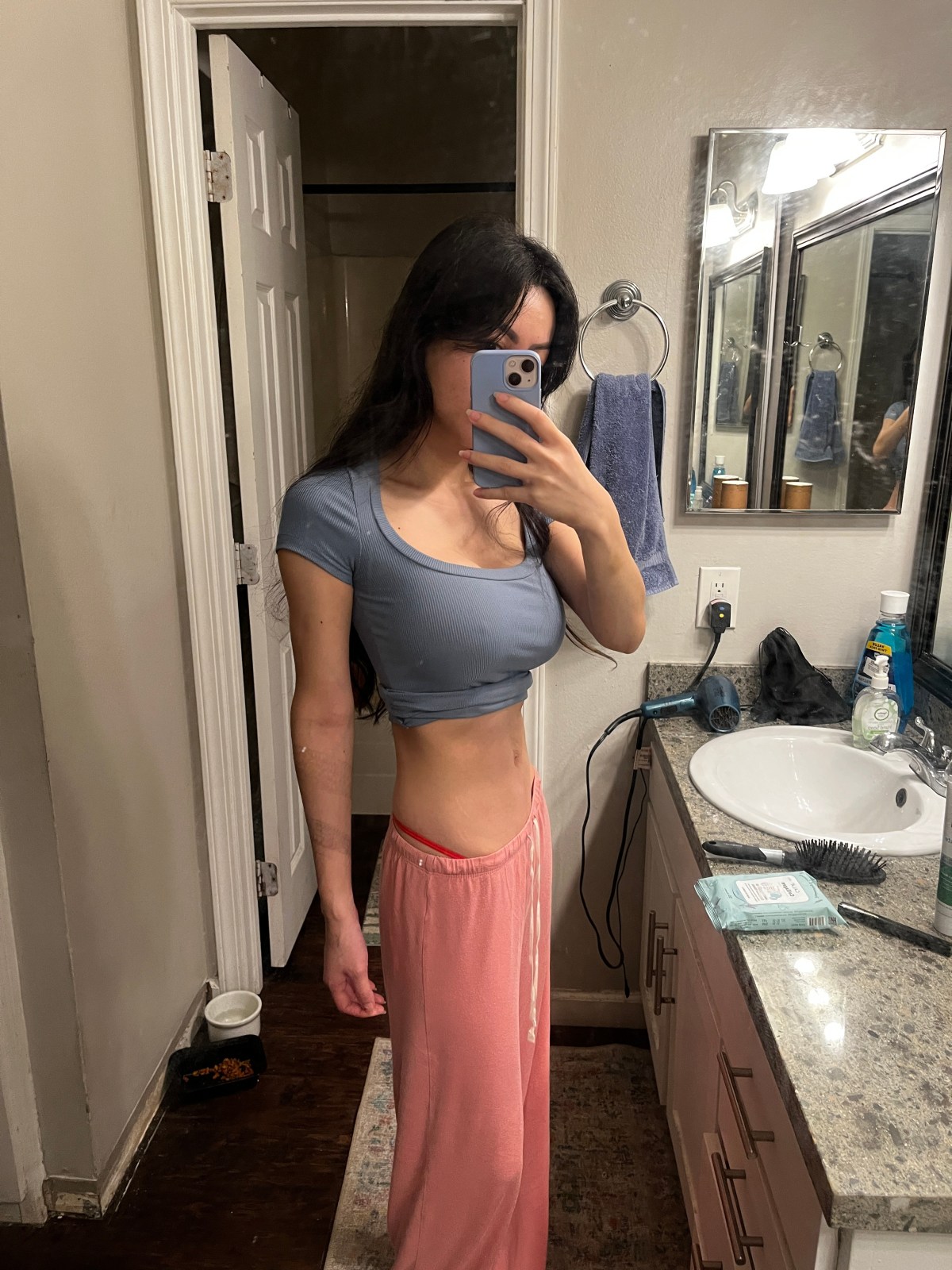
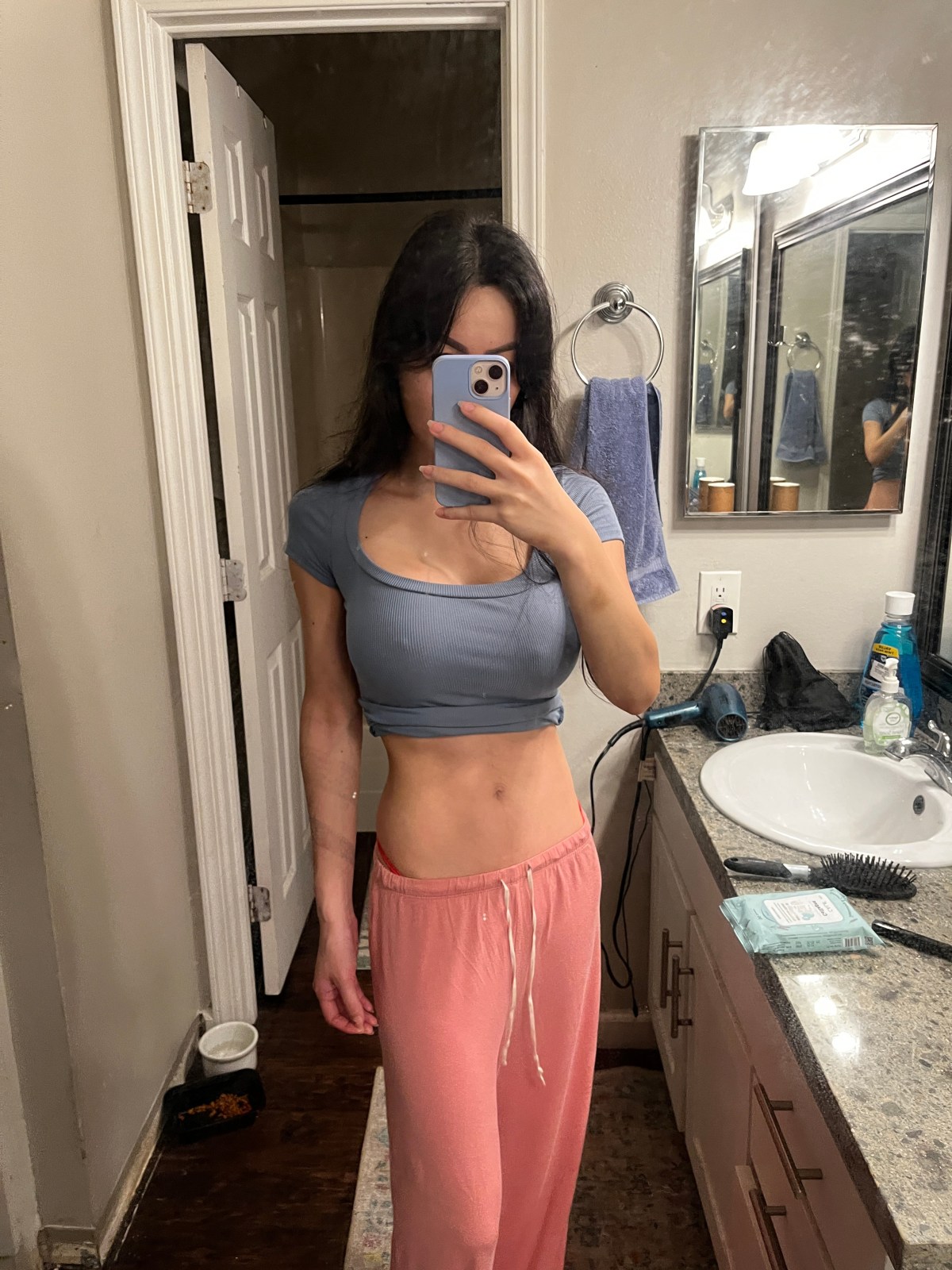
On day two, I stopped eating at 7 PM and went to bed at midnight. When I woke on day three, my stomach was noticeably flatter. The constant morning bloat I’d normalized for years was absent. I could see definition in my abdomen that I’d only previously achieved through flexing.
The Critical Discovery: I didn’t change what I ate—I changed when I stopped eating. I still enjoyed my regular meals, including peppers and onions, eggs with cheese, and yes, even Hot Cheetos on occasion. The difference was timing, not deprivation.
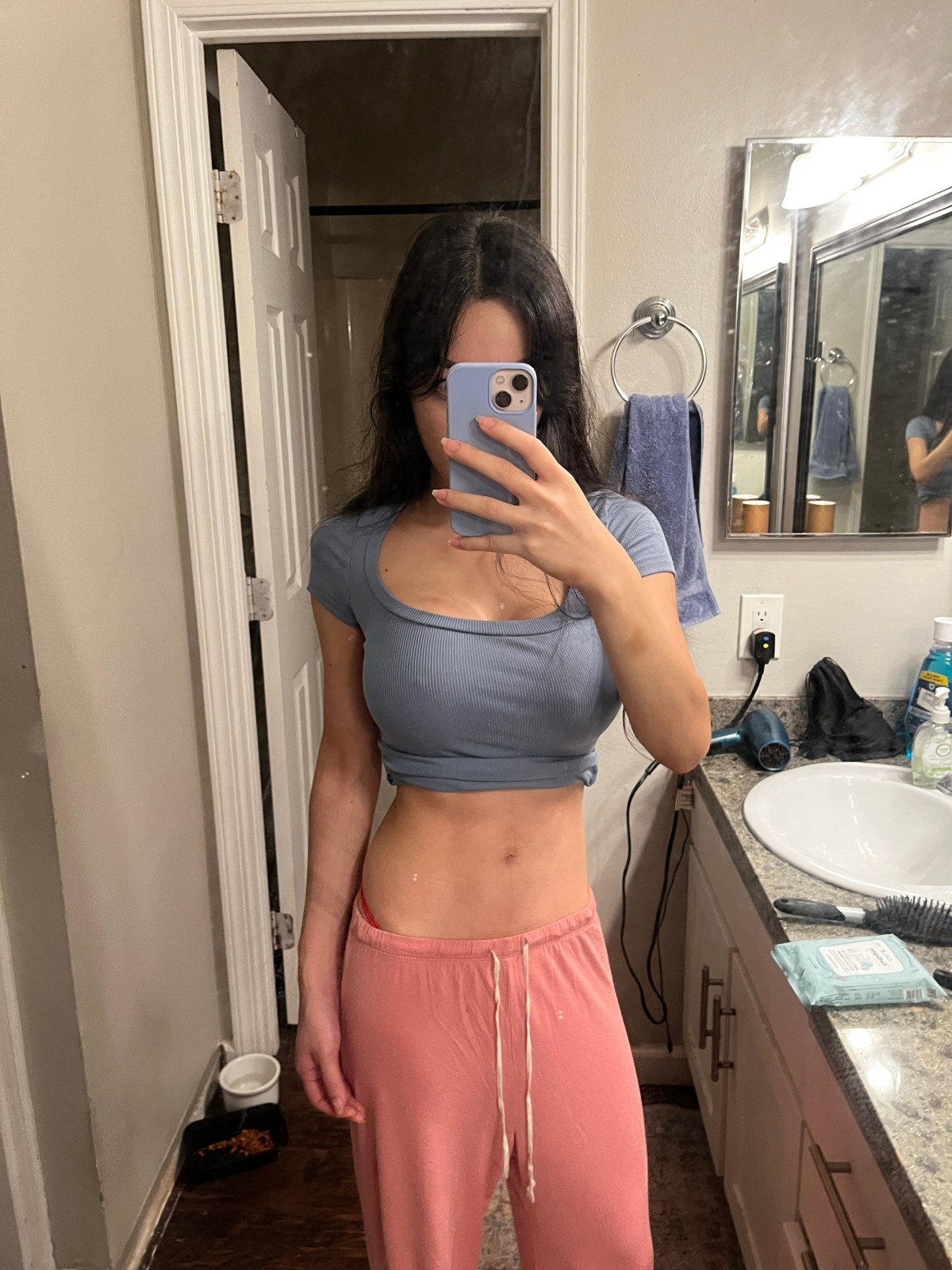
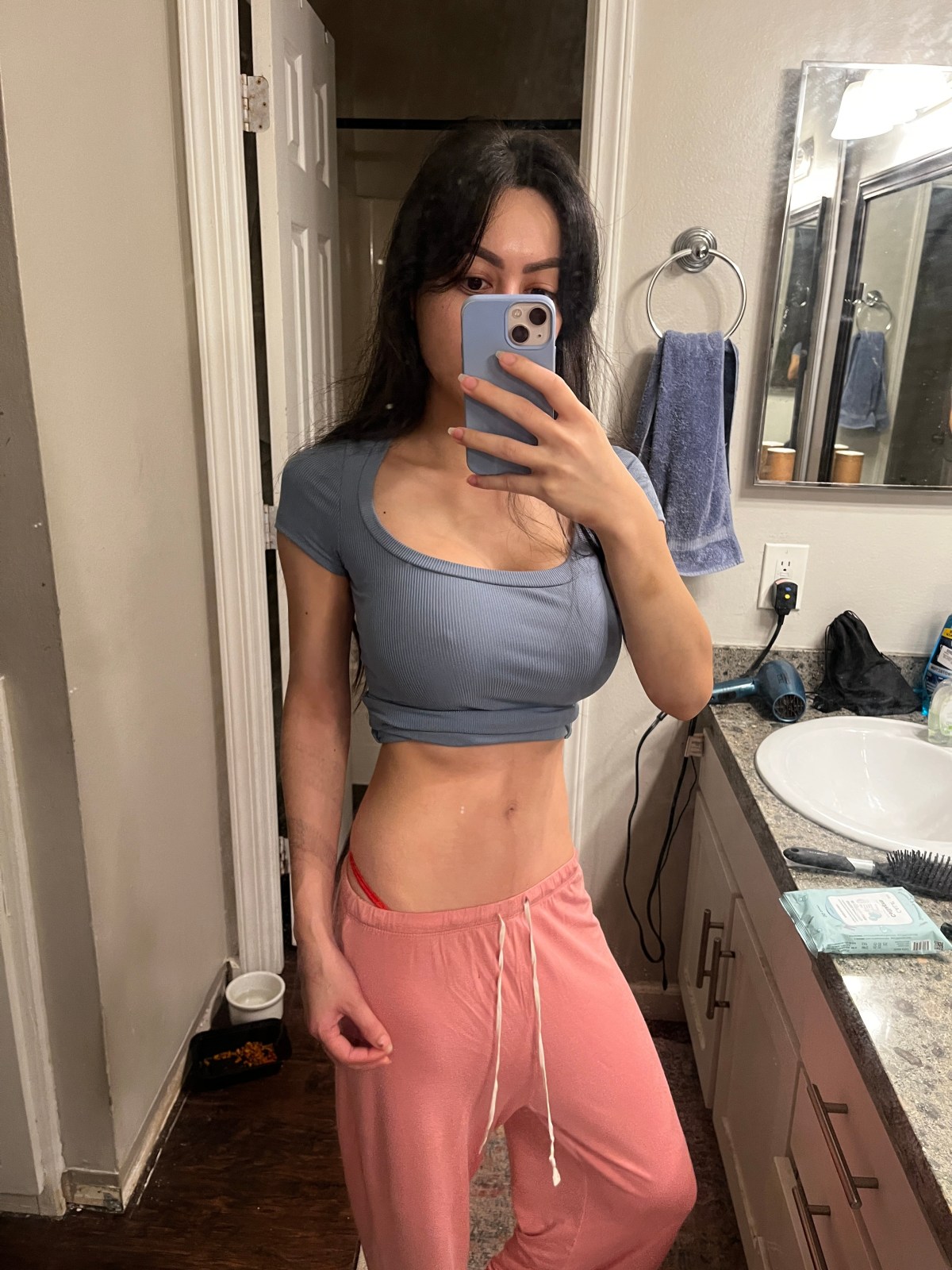
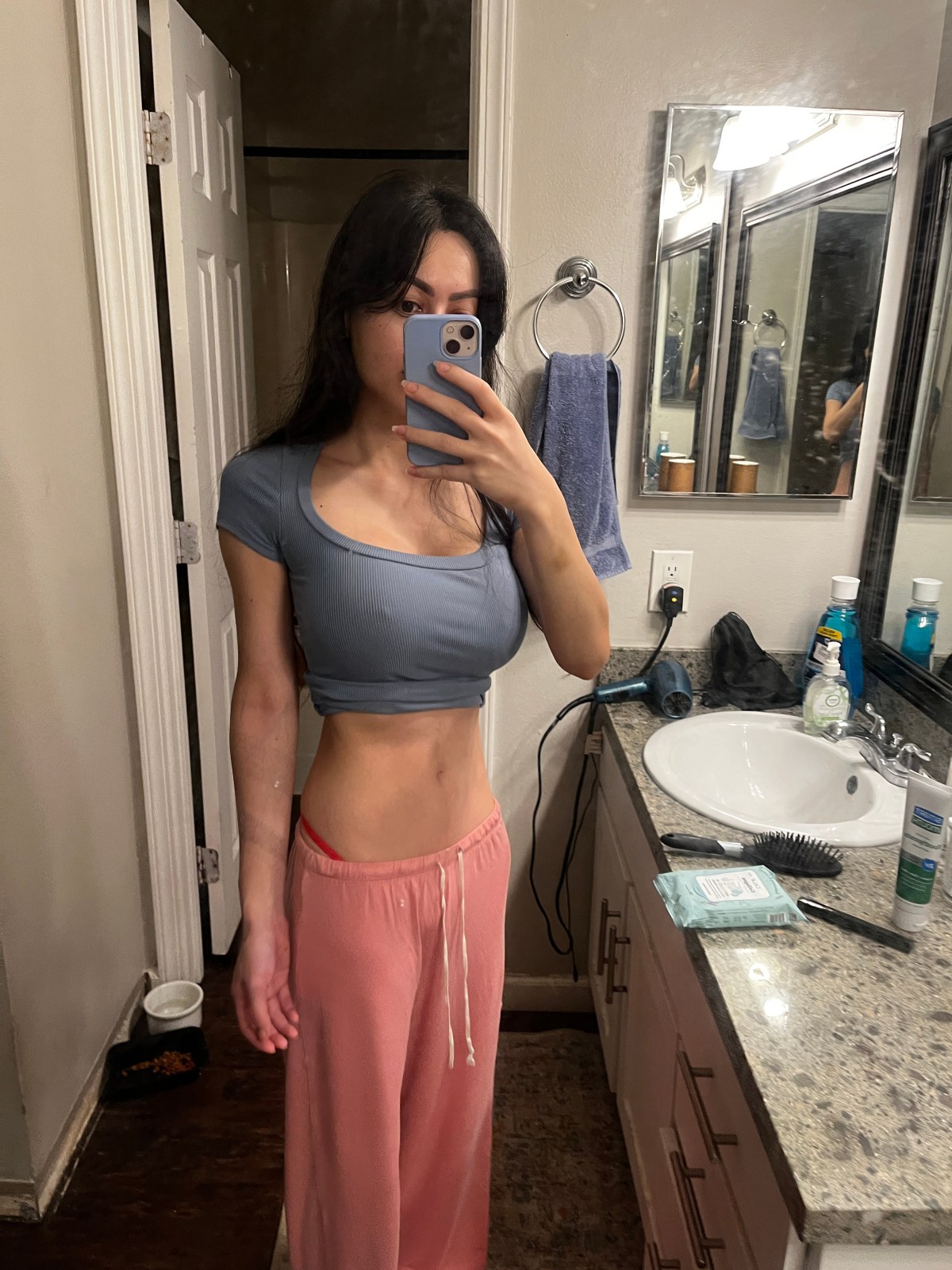
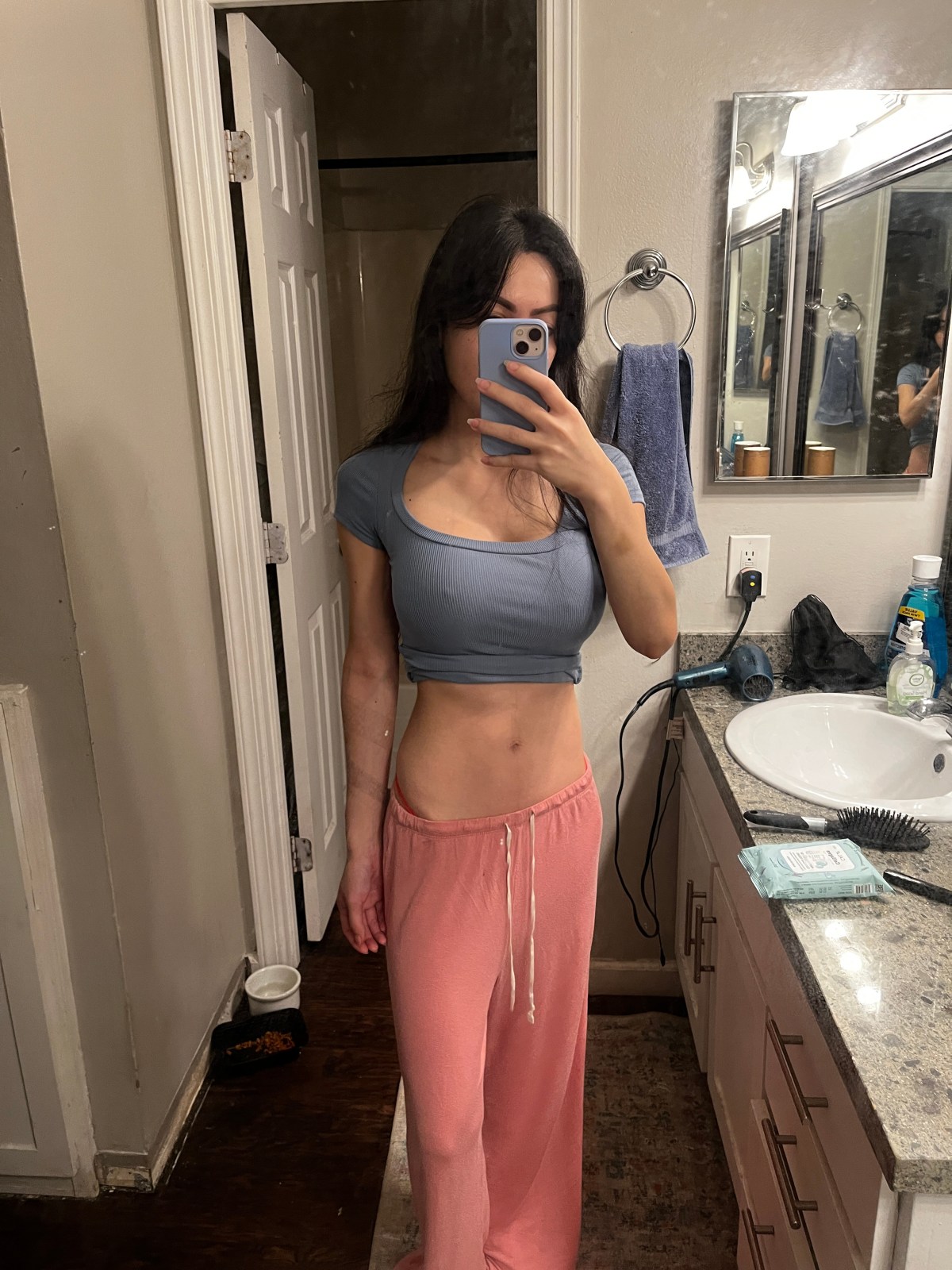
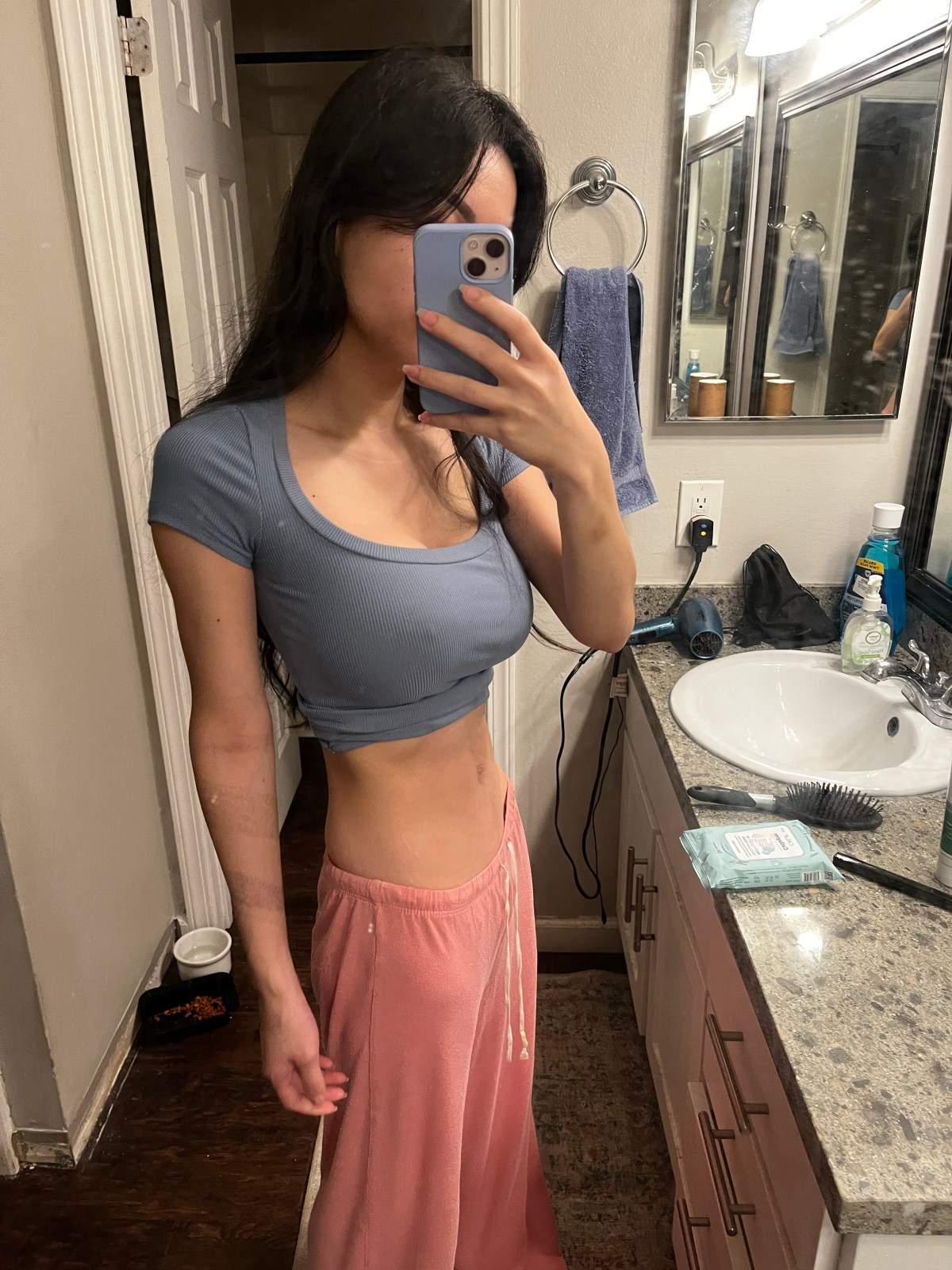
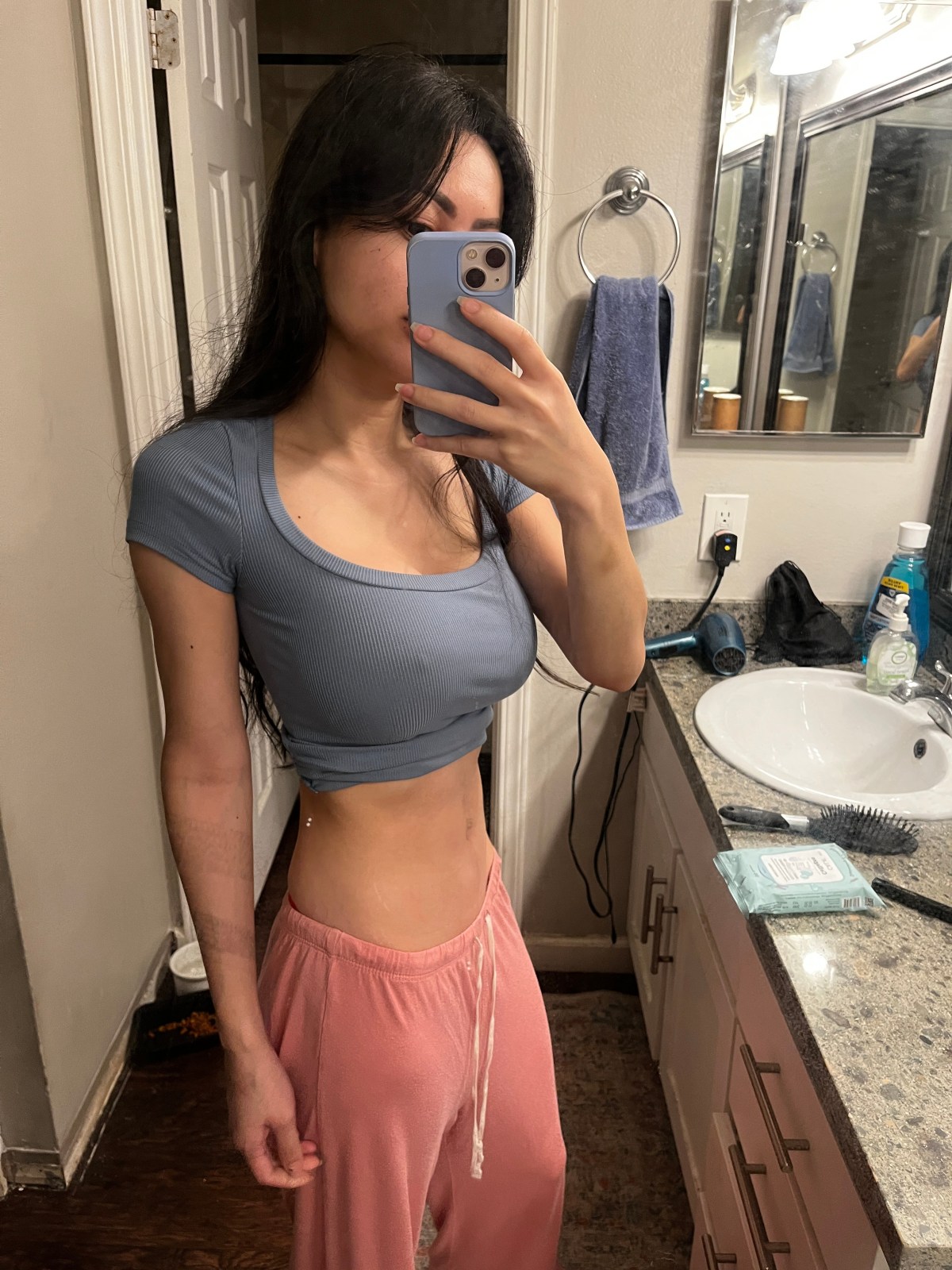
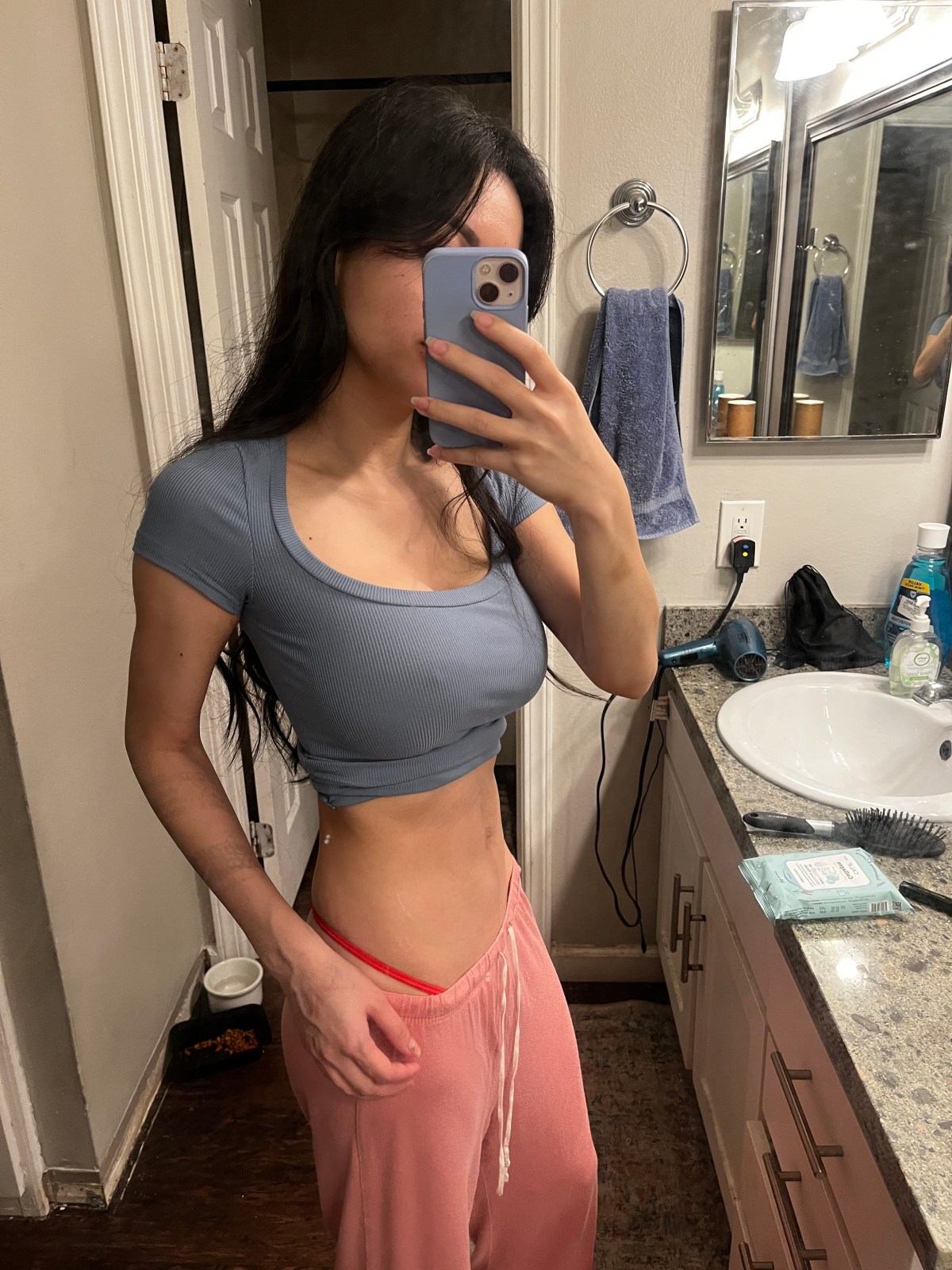
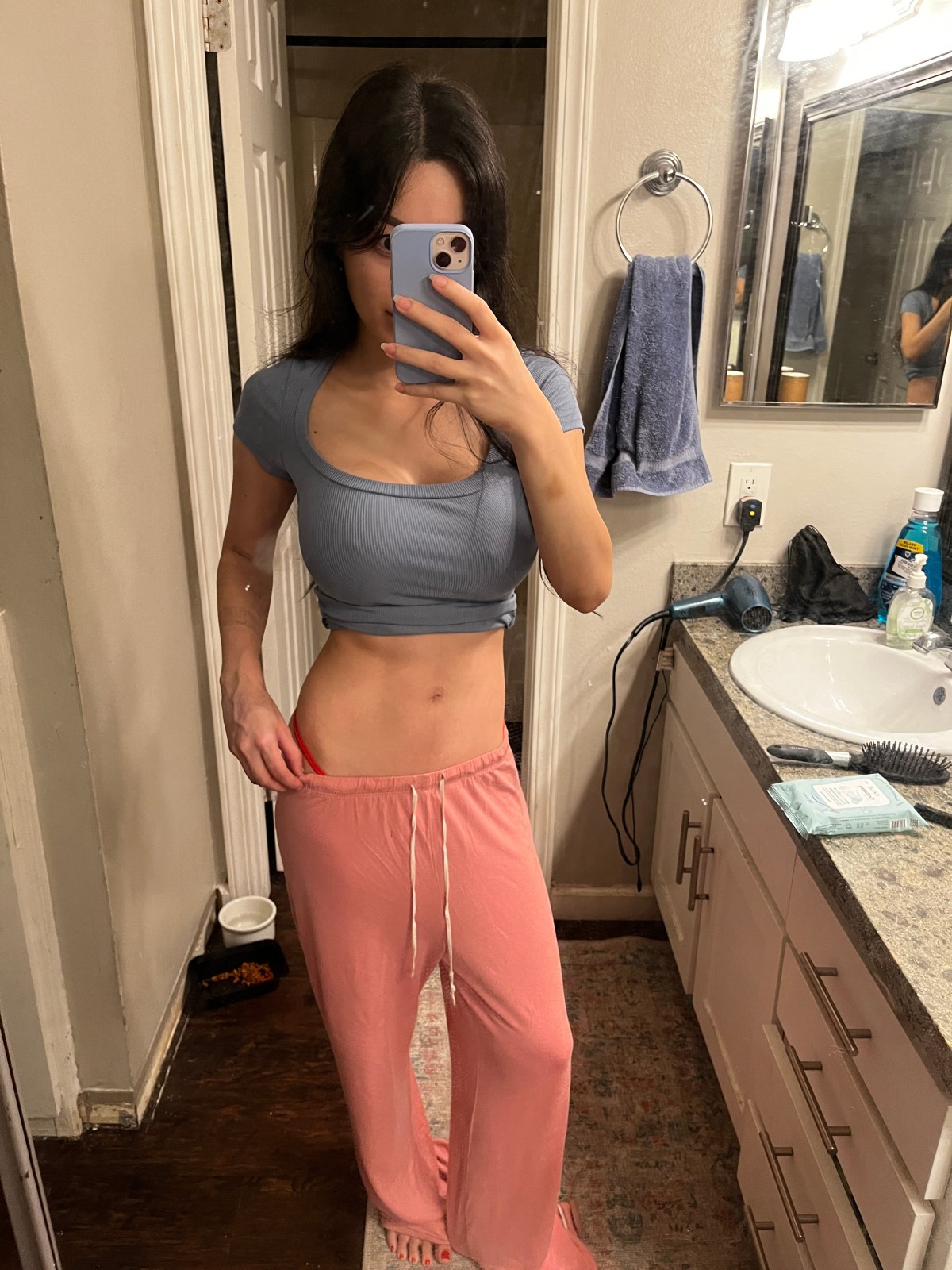
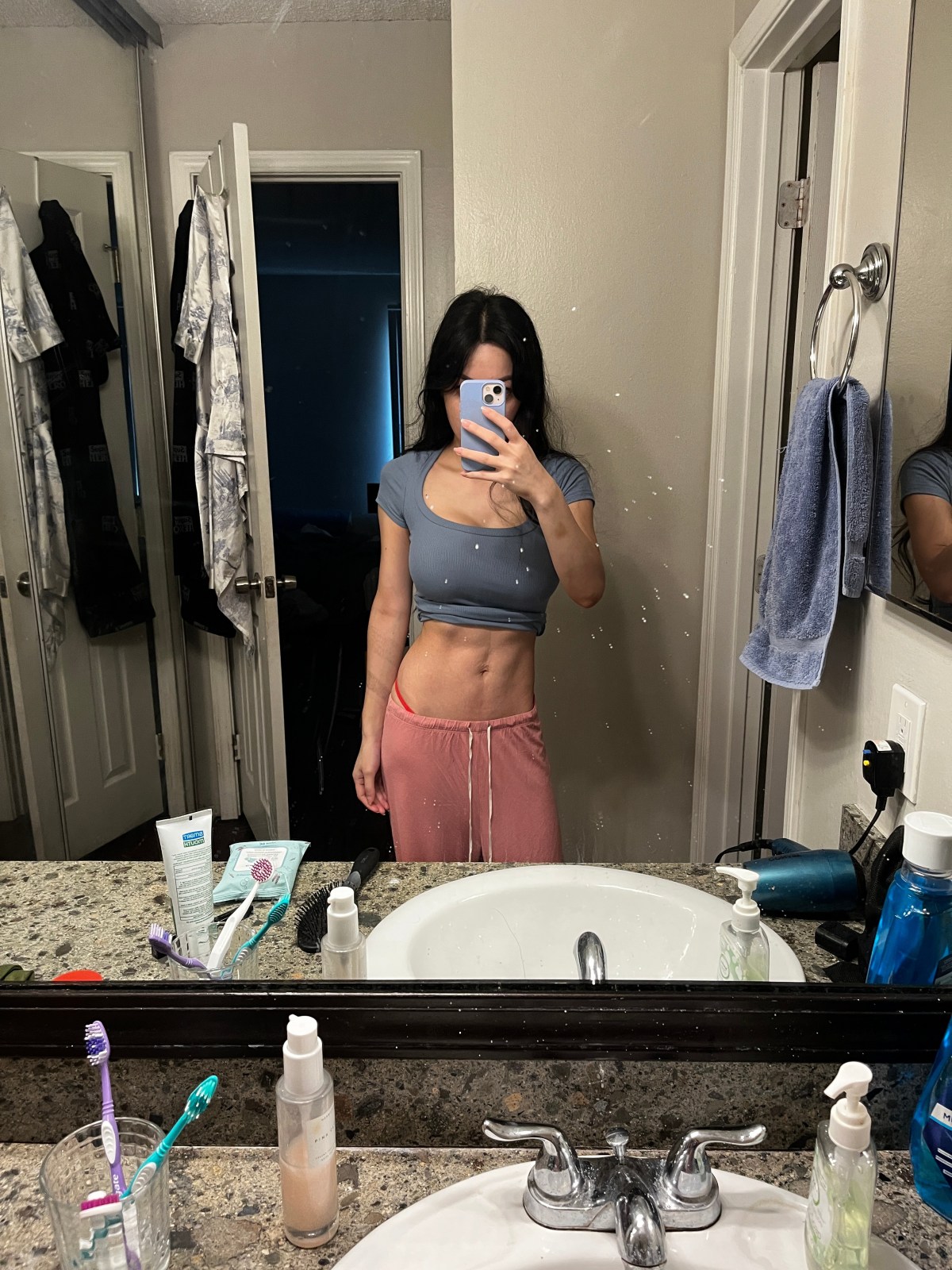
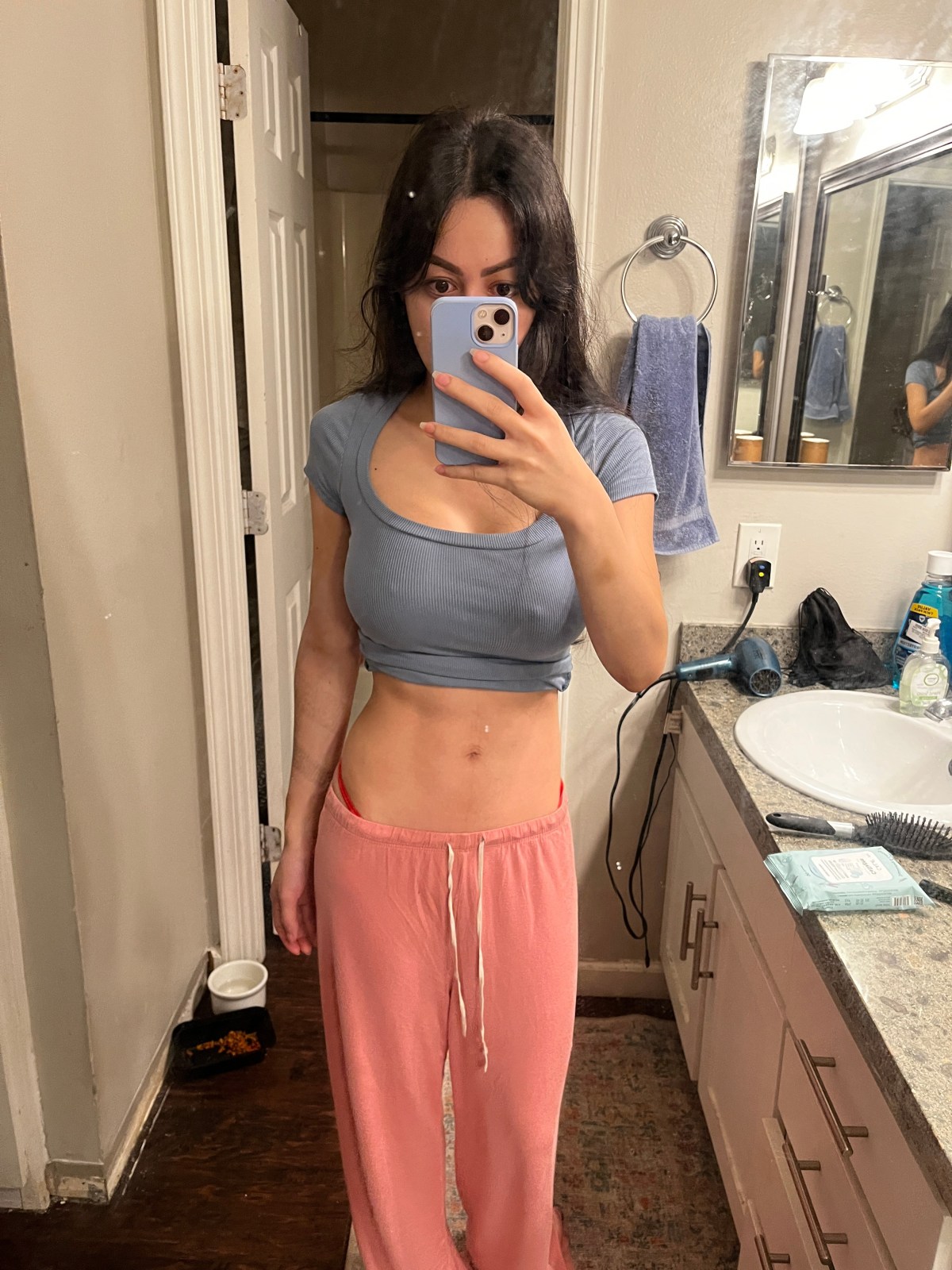
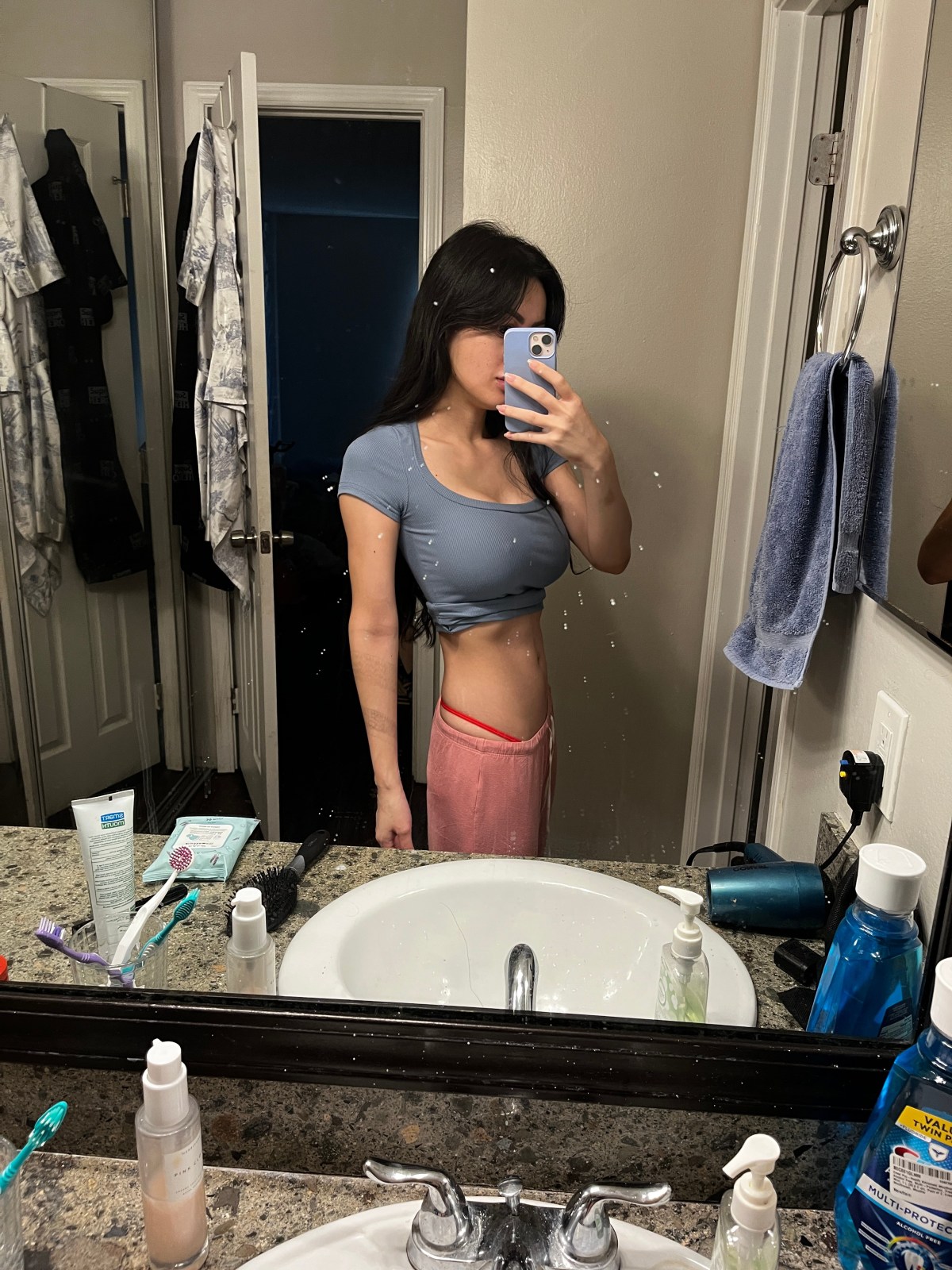
By day four, the pattern was undeniable. Each morning, my stomach remained flat. The pouch was gone. I took photographs because I could scarcely believe it myself—this is the biggest I look on camera, yet in person, I appear even smaller. At 105 pounds and five feet two and a half inches, I’m a comfortable size two, occasionally fitting into zero for reference and want to stay this way. (I do not want to buy new clothes haha.)

Days Five Through Seven: The Elegance Factor
Something unexpected occurred during days five through seven: as my physical appearance improved, my behaviour changed in response. I began taking more care with my presentation. I styled my hair every day. I applied makeup even when staying home. I wore clothes that made me feel magnificent. This wasn’t vanity—it was positive reinforcement creating an upward spiral.
On day six, I wore sky-high stiletto heels for an outing. The heightened awareness required to walk carefully in them corrected my posture automatically. My shoulders relaxed. My abdomen engaged naturally. I moved with more grace and intention. That evening, I was approached three times, and I felt the eyes of every person I passed.
The Insight: When you look good, you feel good. When you feel good, you carry yourself differently. When you carry yourself differently, your body responds. It’s a feedback loop that compounds daily.
By day seven, I realized something profound: the flat stomach wasn’t the goal—it was the symptom. The goal was reducing stress, respecting my body’s natural rhythms, and showing up as my best self consistently. The flat stomach was simply what happened when I got the other elements right.

The Two-Week Milestone: Why It Stayed
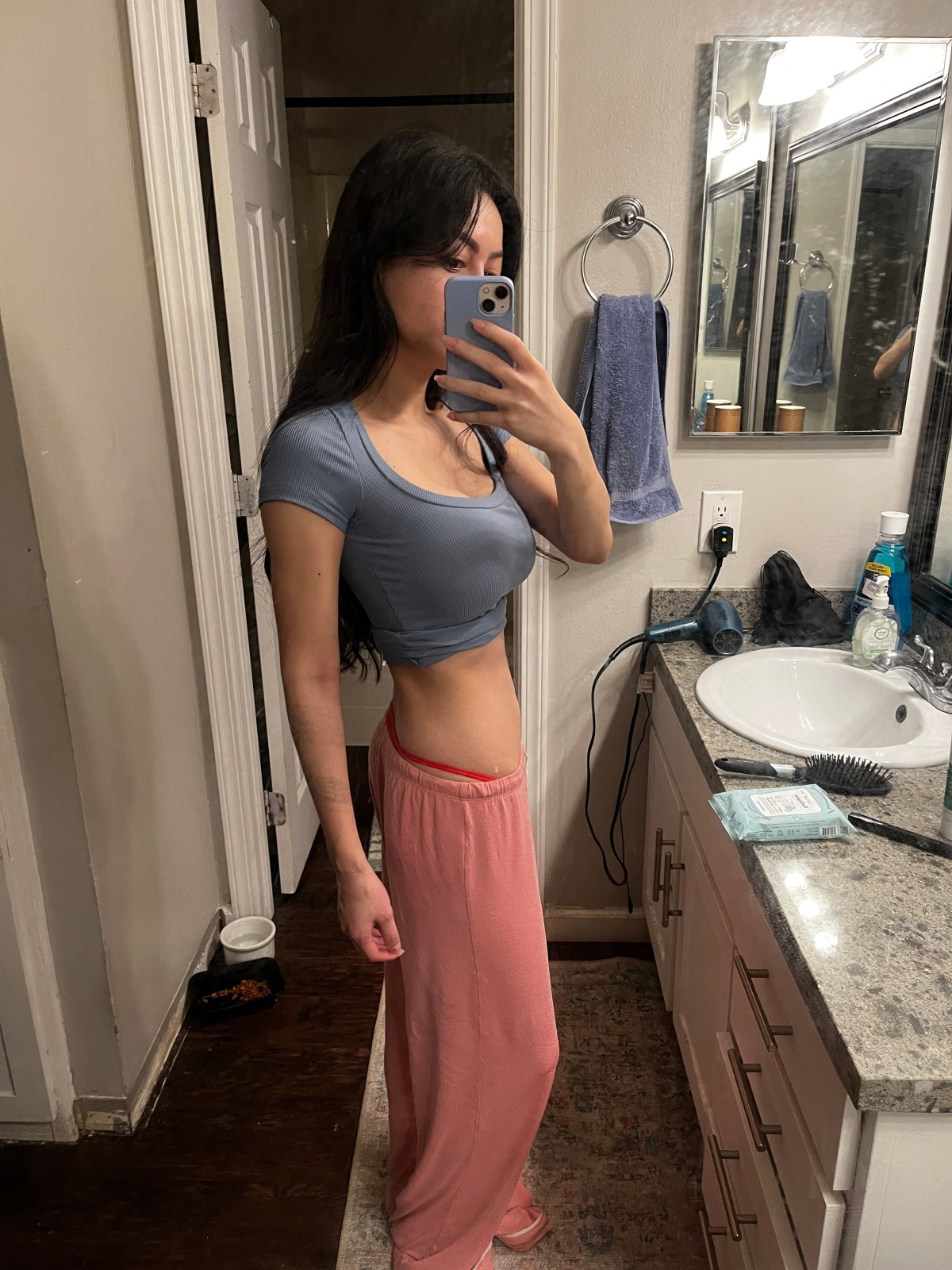
Now, over two weeks later, my stomach hasn’t reverted. This isn’t water weight loss that rebounds the moment you have a salty meal. This isn’t the result of extreme restriction that becomes unsustainable. This is what happens when you address the root cause rather than the symptoms.

The Stress-Cortisol-Belly Fat Connection
Here’s what I’ve come to understand: chronic stress elevates cortisol, which signals your body to store fat, particularly around the midsection. It’s a survival mechanism—your body believes you’re in danger and prepares for famine. No amount of abdominal exercises can overcome this hormonal signal. You cannot crunch your way out of a cortisol problem.
When I eliminated the primary source of stress in my life, my body finally felt safe enough to release what it had been holding. Within seven days, the change was dramatic. Within two weeks, it was my new normal.
The Eating Strategy That Actually Works
My eating pattern isn’t a diet—it’s a rhythm. I don’t eat breakfast while working. I sustain myself with coffee or kombucha and copious water throughout the day. When I’m hungry—truly hungry, not bored or stressed—I eat a proper meal. Usually, this is my largest meal in the evening when I return home and can relax.
The Crucial Element: I stop eating five hours before bed without exception. If I know I’ll be sleeping at midnight, my last bite of food is at 7 PM. If I’m going to bed at 11 PM, I stop eating at 6 PM. This consistency signals to my body that it can rely on this pattern, which reduces digestive stress and inflammation.
I don’t meal prep. I don’t count macros. I don’t weigh portions. When I eat, I consume whole foods first—vegetables, proteins, fiber-rich options—then if I want something indulgent, I have it. The key is eating smaller portions initially, then assessing if I’m genuinely still hungry before having more.
The Movement Integration Approach
I haven’t done a proper workout since this began. The last time I exercised was a leisurely hour on the treadmill at 3.3 miles per hour—hardly intensive. Yet I’m more active than ever because I’ve integrated movement into my daily life rather than compartmentalizing it as “exercise time.”
I take the stairs instead of the lift in my apartment building. I do all my household chores myself—changing sheets, flipping the mattress, thorough cleaning of every surface. I walk to run errands when safe to do so. I carry my own groceries. These activities don’t feel like exercise, so there’s no psychological resistance, yet they accumulate into significant daily movement.
The Surprising Benefit: Because these movements don’t trigger the “workout” mentality, I don’t compensate by eating more afterward. When you do an intense workout, you’re often exhausted and ravenous. When you integrate gentle movement throughout the day, your appetite remains stable.
The Daily Practices That Maintain Results
Morning: The Identity Reinforcement
I wake and immediately engage in what I call “identity reinforcement.” I look in the mirror and remind myself: this is who I am now. Someone with a flat stomach. Someone who takes care of herself. Someone who shows up beautifully every day. This isn’t affirmation without action—it’s recognition of what’s already true, which makes maintaining it feel natural rather than effortful.
I shower, sometimes using a body scrub (a small goal I’d set for myself). I style my hair. I do my makeup, even if I’m staying home. I select an outfit that makes me feel fabulous. This routine takes perhaps 45 minutes, yet it sets the tone for everything that follows.

Midday: The Stress Monitoring
Throughout the day, I remain vigilant about stress. When I notice tension creeping in—tight shoulders, shallow breathing, racing thoughts—I pause. Sometimes I sit in my car in quiet reflection. Sometimes I take a walk. Sometimes I simply stand outside and breathe deeply, focusing on being present rather than worrying about future scenarios that may never materialize.
The Practice: I ask myself, “What am I stressed about right now that I actually have control over?” Usually, the list is short. Everything else gets mentally filed under “not my problem to solve today.”

Evening: The Wind-Down Ritual
As my eating window closes five hours before bed, I transition into wind-down mode. I clean my living space thoroughly—a clean environment creates a calm mind. I read, watch something enjoyable, or journal (even just bullet points if I’m tired). I prepare my outfit for the next day so morning feels effortless.
I’ve noticed that when my home environment is pristine, my stress levels plummet. I have control over my sanctuary, even if external circumstances feel chaotic. This sense of control extends to how I feel about my body.

The Social Component: Why Community Matters
One unexpected element that contributed to maintaining my flat stomach is social engagement. When I moved back to Los Angeles and reconnected with friends, I suddenly had reasons to show up beautifully. Not for their approval, but because social engagements create natural structure and accountability.
I dress well for lunch with girlfriends. I take care with my appearance before meeting anyone. I walk more because I’m going places. I laugh more, which reduces stress. I feel connected rather than isolated, which dramatically impacts cortisol levels.
The Science: Loneliness and isolation are significant stressors. We’re not meant to exist in solitary confinement with our screens. We’re designed for community. When we have genuine connections, our nervous systems calm, our hormones regulate, and our bodies function better.

What Didn’t Work (And Why That Matters)
I must be transparent about what this method is not. I didn’t achieve these results through:
- Intense cardio sessions
- Heavy weight training
- Juice cleanses or detox teas
- Cutting out entire food groups
- Counting calories obsessively
- Taking fat-burning supplements
- Wearing waist trainers
- Doing hundreds of crunches
I’ve tried all of these approaches in the past. Some produced temporary results that immediately reversed when I stopped. Others produced no results at all. What I’ve learned is that any method requiring extreme effort or deprivation is inherently unsustainable. The moment you stop, your body rebounds, often beyond where you started.
The reason my current approach works is precisely because it doesn’t feel like work. It feels like living well.
The Mindset Shift: From Motivation to Identity
The most crucial element of maintaining these results isn’t motivation—motivation is fickle and fails you when circumstances become difficult. The element that ensures sustainability is identity.
I no longer think, “I should eat five hours before bed to maintain my flat stomach.” I think, “I’m someone who stops eating five hours before bed because that’s what feels right for my body.” The distinction is subtle but powerful. The first is an external rule I might rebel against. The second is simply who I am.
Similarly, I don’t think, “I should style my hair to look good.” I think, “My hair is always beautifully styled because that’s part of my identity.” This isn’t about becoming someone new—it’s about recognizing and reinforcing the best version of who you already are.
The Implementation: Remember how you feel when you’re at your absolute best. Everything looks good on you. You move with confidence. You feel light and energetic. Make that feeling your baseline, your default, your identity. Then the actions that maintain it flow naturally.
The Unexpected Benefits Beyond the Flat Stomach
While the flat stomach was my initial focus, the ripple effects have been extraordinary:
- Increased confidence: I no longer avoid my reflection or angle my body strategically in photographs
- Better sleep: Without food digesting while I sleep, I wake more refreshed
- Clearer skin: Reduced inflammation shows everywhere, not just the midsection
- More energy: Not fighting constant bloat and discomfort frees up substantial energy
- Improved posture: Feeling good about my appearance naturally corrects how I carry myself
- Enhanced presence: People notice and respond to the energy shift
I went to the beach recently—an activity I previously dreaded due to insecurity about my appearance—and I didn’t hide behind a sarong. I moved freely, unselfconsciously. This psychological liberation is worth more than any physical change.
The Sustainability Test: Can You Maintain This?
The ultimate question isn’t whether this works for seven days or two weeks—it’s whether it remains effective months and years from now. Based on my experience and the nature of the approach, I believe it does, for several reasons:
First, it’s based on stress reduction rather than addition. I’m not adding grueling workouts or restrictive eating patterns that will eventually exhaust me. I’m removing sources of stress, which becomes easier over time, not harder.
Second, it works with my natural inclinations rather than against them. I enjoy looking beautiful. I appreciate a clean home. I like eating foods I love. None of this requires willpower to maintain.
Third, it creates positive feedback loops. The better I look and feel, the more motivated I am to continue the practices that created these results. Success breeds success.
Fourth, it’s adaptable. If I have an evening event that runs late, I adjust my eating window accordingly. If I’m traveling and stressed, I focus extra attention on the stress-management practices. The framework is flexible enough to accommodate real life.
Your Seven-Day Action Plan
If you wish to replicate these results, here’s precisely what I recommend:
Days 1-2: Stress Audit and Reduction
Identify your primary stressors. What worries keep you awake? What situations trigger anxiety? For items within your control, take action. For everything else, practice radical acceptance. Begin the five-hour rule immediately—this alone will produce noticeable results by day two.
Days 3-4: Identity Work
Who are you at your absolute best? Write it down in detail. How do you look, move, speak, carry yourself? Begin embodying this identity deliberately. Style your hair. Choose beautiful clothes. Move with grace and intention.
Days 5-6: Integration and Refinement
Notice what’s working. Double down on those practices. Eliminate or adjust anything that feels forced or unsustainable. Begin integrating more movement into daily activities. Take stairs, do thorough housework, walk when possible.
Day 7: Reflection and Commitment
Assess your physical and emotional state. What’s different? What surprised you? Commit to continuing the practices that produced results. Remember: this isn’t a seven-day fix—it’s the beginning of a new way of living.
The Final Word: This Is Just the Beginning
Seven days gave me a flat stomach. Two weeks proved it was sustainable. But the deeper transformation—the peace, the confidence, the sense of ease within myself—that’s what makes this worthwhile. The flat stomach is merely evidence that I’ve finally created the conditions for my body to thrive.
You don’t need to lose your job to reduce stress (though examining whether your employment serves your wellbeing is worthwhile). You don’t need to make dramatic life changes. You need to identify what’s causing chronic tension in your system and systematically address it. You need to eat in rhythm with your body’s needs rather than against them. You need to make your best self your identity rather than your aspiration.
The invitation stands: what will you do today to begin your own seven-day transformation? The journey to your flattest stomach begins not with punishment or deprivation, but with peace and presence. Everything else follows naturally.
Are you ready to transform your relationship with your body and stress? Begin with just one practice today: stop eating five hours before bed. Document how you feel tomorrow morning. That’s where it starts.
Discover more from Gia🖤
Subscribe to get the latest posts sent to your email.